
Before You Call a Plumber: What Homeowners Can Safely Diagnose Themselves

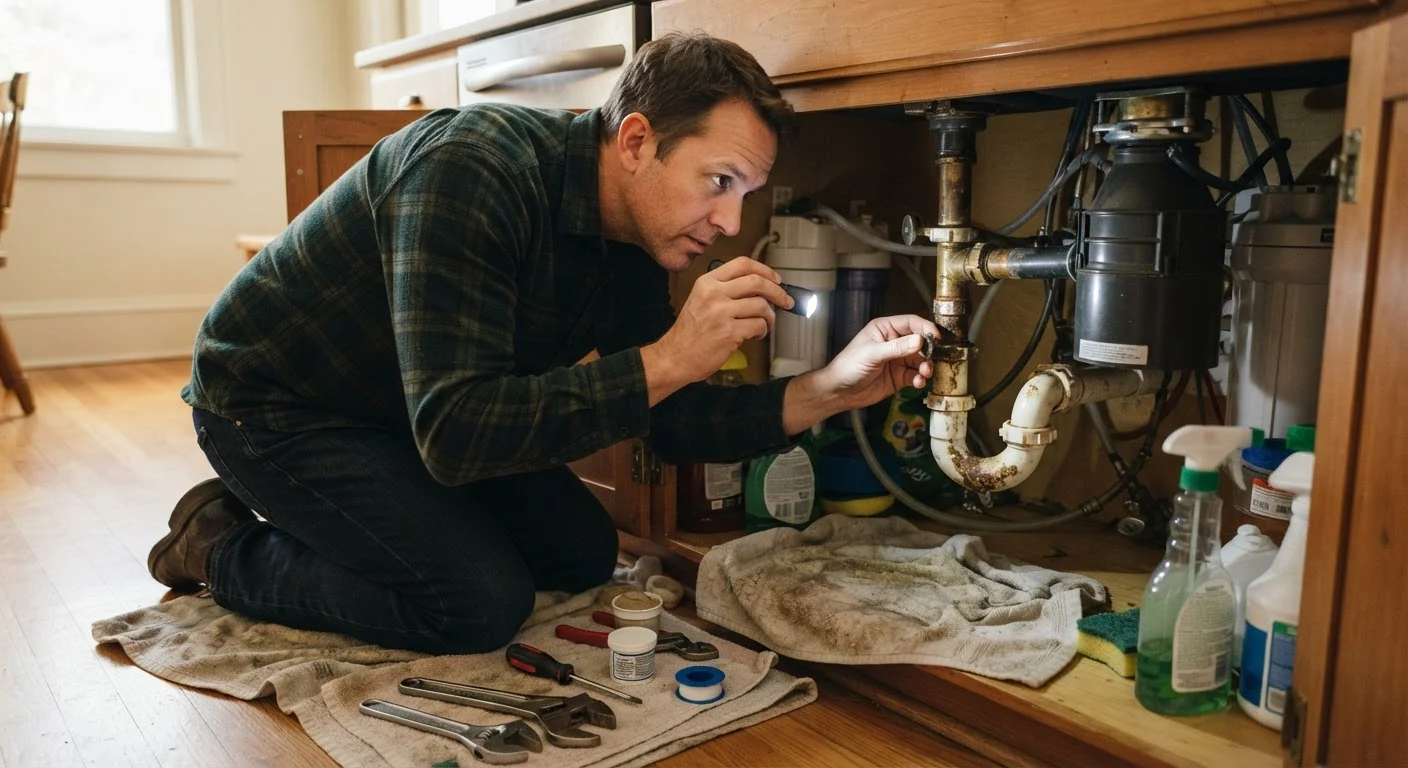
Photo: ConfiReads.com | Blogs For Inquisitive Minds editorial
Key Takeaways
- Many common plumbing symptoms - slow drains, running toilets, dripping faucets - can be diagnosed at home without special tools.
- Knowing where your main water shut-off valve is located is essential before any self-diagnosis attempt.
- Some signs, like water stains on ceilings or sewage odors, always require a licensed plumber.
- A systematic, room-by-room check helps you gather the right information before calling a professional.
- Accurate symptom descriptions save time and money when a plumber visit is necessary.
What You Can Realistically Assess on Your Own
Most homeowners assume any plumbing problem is automatically a professional job. In reality, a significant number of common issues - running toilets, slow-draining sinks, dripping faucets, and low water pressure at a single fixture - have diagnosable causes that don't require a service call to identify. What matters is knowing how to look methodically and understanding what you're actually seeing.
Think of self-diagnosis the same way you'd approach a warning light on your car dashboard. You wouldn't automatically assume the worst before checking the basics first. The same logic applies to your home's plumbing. Much like deciding which car repairs belong in your driveway, plumbing self-assessment is about separating what you can safely evaluate from what genuinely needs expert eyes.
Before you begin any inspection, locate your home's main water shut-off valve. In most American homes it's near the water meter - often in the basement, garage, or on an exterior wall. Knowing this location in advance is a basic safety step that applies whether you're diagnosing or making minor repairs.
What you will need
How to Systematically Diagnose Common Plumbing Symptoms
Work through the following steps in order. You're not trying to fix anything yet - the goal is to gather clear, accurate information. A well-described symptom cuts a plumber's diagnostic time significantly, which can reduce your bill even when professional service is necessary. This kind of proactive upkeep also fits neatly into a broader seasonal home maintenance routine.
Check whether the problem is isolated or house-wide
Turn on faucets in two or three different rooms. If low pressure or discoloration appears everywhere, the issue likely originates at the meter, main line, or water heater - not at an individual fixture. If only one faucet or drain is affected, you're dealing with a localized problem, which is almost always easier to diagnose and address.
Diagnose a running toilet with the dye test
Remove the tank lid and add a few drops of food coloring to the tank water. Do not flush. Wait 10-15 minutes. If color appears in the bowl without flushing, the flapper seal is leaking - one of the most common and affordable toilet repairs. Also listen for the fill valve running continuously; that usually signals the float needs adjustment or the fill valve is worn.
Assess a slow drain for the likely cause
Slow drains in a single sink or shower are almost always caused by a buildup of hair, soap residue, or debris in the trap - the curved pipe section directly beneath the drain. Use a flashlight to look down the drain opening; if you can see accumulation near the surface, a drain snake or a simple hair-removal tool will often resolve it. If multiple drains throughout the home are slow simultaneously, the problem is deeper in the drain line and needs professional assessment.
Locate and observe a dripping faucet closely
Note whether the drip occurs when the faucet is fully off, or if the handle won't shut off completely. A drip from the spout usually points to a worn washer or cartridge inside the valve. Leaking from around the handle base suggests a failing O-ring or packing. Write down the faucet brand if visible (often stamped on the handle or body) - this helps a plumber or hardware store identify the right replacement part immediately.
Inspect under sinks for moisture or soft cabinet floors
Use your flashlight to check the cabinet under every sink in the home. Look for water stains, rust on the drain pipes, mineral deposits around supply line connections, or soft/warped cabinet flooring (a sign of long-term slow leaks). Press gently on the cabinet floor; if it feels spongy, there has been ongoing moisture. Document what you see with your phone camera - photos are invaluable when describing the situation to a plumber.
Don't Ignore Water Where It Shouldn't Be
Symptoms That Always Require a Professional
Some findings should stop your self-diagnosis immediately. If you notice any of the following, stop using the affected plumbing and call a licensed plumber:
- Water stains on ceilings or walls - indicates a hidden leak that can cause structural damage and mold growth.
- Sewage or sulfur odor - may signal a broken drain vent, failed wax ring, or sewer line issue. These are health risks.
- Significant drop in water pressure throughout the whole house - not just one fixture. This can point to a failing pressure regulator, main line leak, or municipal supply issue.
- Water heater rumbling, leaking at the base, or producing discolored water - sediment buildup or tank failure; not a DIY diagnosis situation.
- Any visible mold around pipe areas - requires professional remediation, not just a plumbing fix.
These are also the kinds of hidden home safety hazards that tend to go unnoticed until they've already caused real damage. When in doubt, it's always better to make the call.
Document Before You Call
The content on this site is for informational purposes only and is not a substitute for professional advice. Always consult a qualified professional for guidance specific to your situation.