
Home Safety Hazards That Hide in Plain Sight

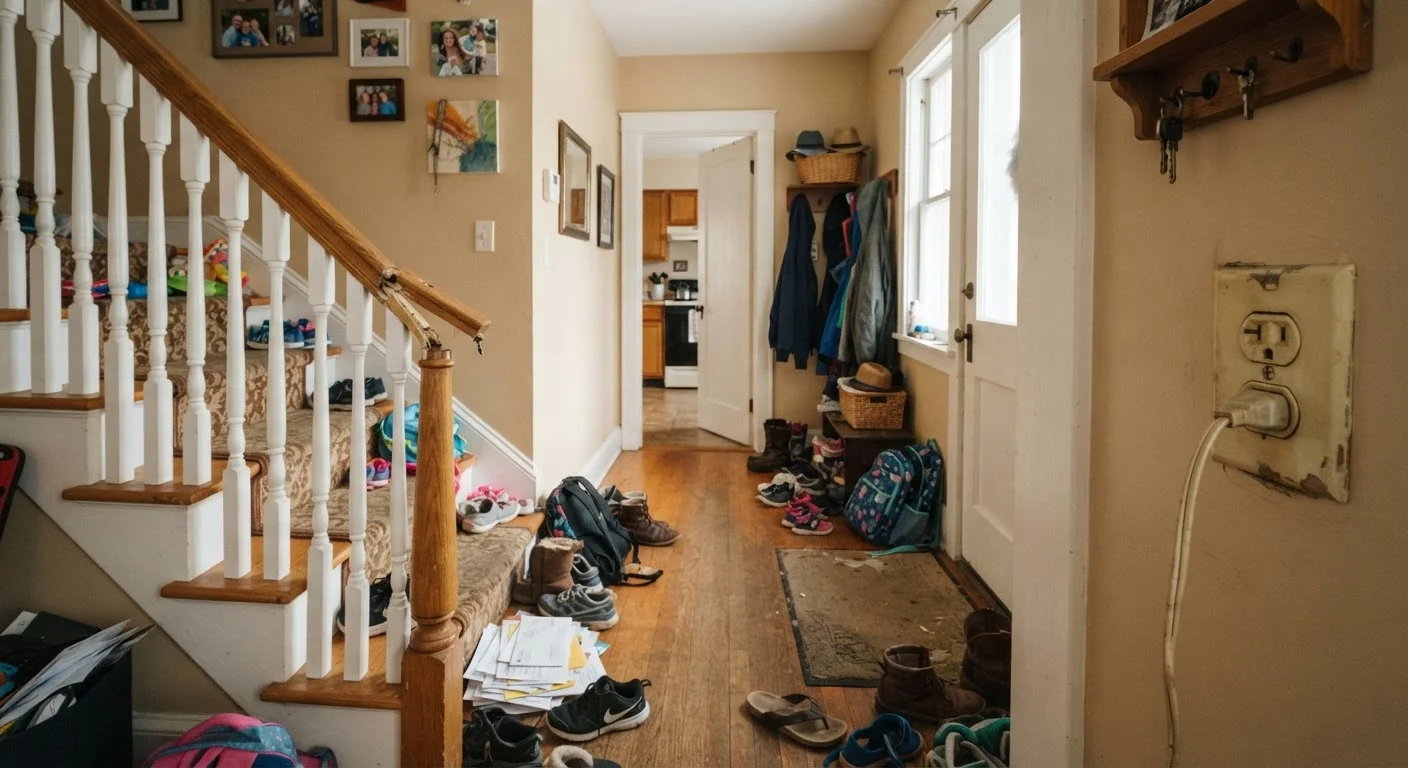
Photo: ConfiReads.com | Blogs For Inquisitive Minds editorial
Key Takeaways
- Common home safety hazards are often overlooked precisely because they blend into everyday surroundings.
- Loose railings, outdated outlets, and poor lighting are among the most preventable causes of household injuries.
- Regular walkthroughs and simple fixes can significantly reduce risk for all family members, including children and older adults.
- Some hazards - especially electrical ones - require a licensed professional rather than a DIY approach.
- Unaddressed hazards may also affect your homeowner's insurance coverage after a loss.
The Hazards You've Stopped Noticing
Familiarity is one of the biggest safety risks in any home. When something has looked the same for years - a wobbly handrail, a flickering light, a rug that slides just a little - it becomes background noise. You stop registering it as a problem. That's exactly when accidents happen.
This list covers the hidden-in-plain-sight hazards that home safety professionals and emergency responders encounter most often. None of these require expensive renovations to address. Most need only your attention, a few tools, or a timely call to the right professional. Pair this walkthrough with our seasonal home maintenance checklist to build these checks into a regular routine.
Loose or Wobbly Stair Railings
A stair railing that shifts when you grab it isn't just annoying - it's a fall waiting to happen, especially for older adults and young children. Over time, the hardware anchoring railings to walls or posts loosens from normal use and seasonal wood movement.
Test every railing in your home by gripping it firmly and applying lateral force. Any give at all should be addressed promptly. Tightening mounting screws or adding a new wall anchor is usually a straightforward fix, but if the railing post itself is rotted or cracked, have a contractor assess it.
A railing that moves even slightly under pressure is a fall hazard that demands immediate attention.
Outdated or Ungrounded Electrical Outlets
Two-prong outlets in older homes lack a ground wire, which is a critical safety feature that protects against electric shock and helps prevent electrical fires. Similarly, outlets near water sources - in kitchens, bathrooms, and garages - should be GFCI (Ground Fault Circuit Interrupter) type, which cut power instantly if a fault is detected.
If your home has two-prong outlets or lacks GFCI protection in wet areas, this is a job for a licensed electrician. Our guide to understanding your home's electrical panel explains what your circuit breakers do and when to call a pro rather than attempt repairs yourself.
Ungrounded outlets and missing GFCI protection near water are among the most common electrical hazards in older homes.
Rugs and Mats Without Non-Slip Backing
Throw rugs on hardwood, tile, or laminate floors are a leading cause of household slips and falls. The hazard is especially serious at the top or bottom of stairs, in bathrooms, and in entryways where floors may also be wet.
Check every loose rug in your home. If it slides at all when nudged with your foot, add a non-slip rug pad underneath or replace it with one that has a rubberized backing. Double-sided carpet tape is another effective solution for smaller mats.
Loose rugs on smooth flooring are one of the simplest hazards to fix and one of the most commonly ignored.
Poor or Burned-Out Lighting on Stairs and Hallways
Inadequate lighting forces people to navigate steps and hallways by memory rather than sight - a recipe for missteps. A single burned-out bulb in a stairwell can leave a critical area dangerously dim, particularly at night.
Walk through your home after dark and identify any areas that rely on ambient light from adjacent rooms. Install dedicated fixtures or plug-in night lights in hallways, stairwells, and bathrooms. Motion-sensor lights are especially useful for nighttime trips through the house.
Stairs navigated in dim light are responsible for a significant share of preventable home fall injuries.
Slow Drains and Hidden Water Leaks
A slow drain is easy to dismiss, but persistent drainage problems can signal a deeper blockage or early pipe damage - and water damage from slow leaks inside walls or under sinks often goes unnoticed until it becomes a major structural or mold issue.
Periodically check under sinks for moisture, water stains, or swollen cabinet bottoms. Look at caulking around tubs, showers, and toilets for cracks or separation. Our guide on what homeowners can safely diagnose before calling a plumber helps you tell the difference between a minor fix and a situation that needs professional attention.
Slow drains and minor leaks are easy to postpone - until they become water damage, mold, or a burst pipe.
Smoke and Carbon Monoxide Detectors That Aren't Working
Many households have smoke detectors with dead or missing batteries, and carbon monoxide (CO) detectors are often overlooked entirely despite being just as essential in homes with gas appliances, attached garages, or fuel-burning heating systems.
Test every detector in your home monthly using the test button. Replace batteries at least once a year, or choose units with sealed 10-year batteries. CO detectors have an expiration date printed on the unit - replace them when they reach it, typically every 5-7 years. If detectors are absent from bedrooms or each floor level, add them.
A smoke detector with a dead battery offers no more protection than no detector at all.
Start With a Walkthrough - Then Act
The most effective thing you can do right now is walk through your home slowly, room by room, and look at it the way a stranger would. Check each item on this list, note what needs attention, and prioritize anything involving electricity, structural stability, or fall risk.
Make Your Walkthrough a Habit
If you have pets, many of these same hazards apply to them too. Our guide on setting up a safe home environment for a new pet covers room-by-room hazards that affect four-legged family members as well. And if an injury or property loss does occur, unaddressed known hazards can complicate insurance claims - worth reviewing with where your coverage may fall short in mind.
This article is for general informational purposes only. For hazards involving electricity, structural integrity, or significant repair work, consult a licensed professional before attempting any fix yourself.
The content on this site is for informational purposes only and is not a substitute for professional advice. Always consult a qualified professional for guidance specific to your situation.