
Protein, Carbs, and Fat: What Each Macronutrient Does in Your Body

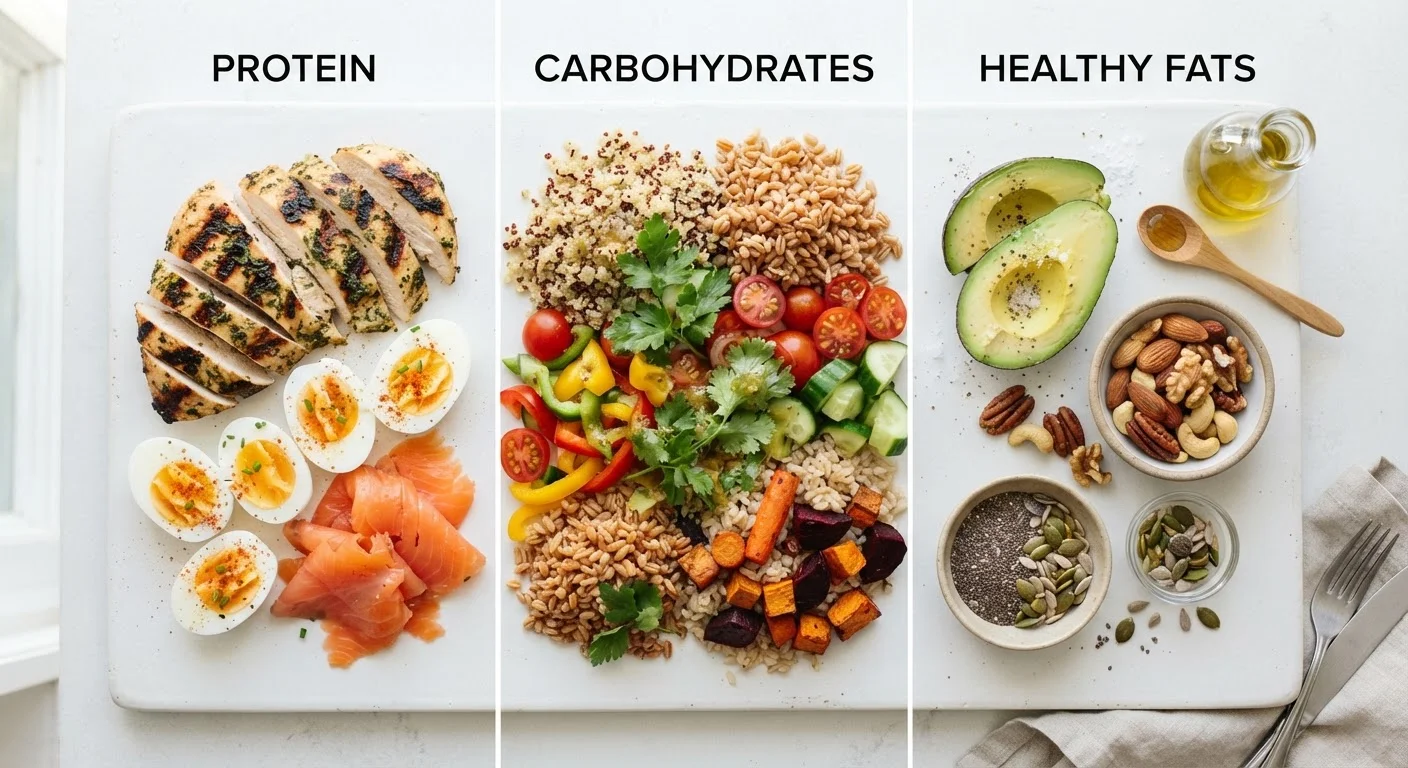
Photo: ConfiReads.com | Blogs For Inquisitive Minds editorial
Key Takeaways
- All three macronutrients serve essential functions; none is inherently harmful or unnecessary.
- Protein builds and repairs tissue, supports immune function, and helps regulate appetite.
- Carbohydrates are the body's preferred fuel source, especially for the brain and during exercise.
- Dietary fat is critical for hormone production, vitamin absorption, and cell membrane integrity.
- Eliminating an entire macronutrient group can create nutritional gaps and is rarely supported by long-term evidence.
- Balance and food quality within each macronutrient category matter more than strict ratios.
Why Macronutrients Are the Foundation of Your Diet
Every eating plan - whether Mediterranean, low-carb, plant-based, or anything in between - is ultimately a set of choices about protein, carbohydrates, and fat. Understanding what each one does gives you a framework for evaluating diet advice rather than just following it. For a broader look at how these nutrients fit together in different eating patterns, see our comparison of Mediterranean, DASH, and plant-based diets.
Diet culture has a long history of villainizing one macronutrient at a time - fat in the 1980s and 1990s, carbohydrates in the 2000s and beyond. Research has consistently shown that this framing oversimplifies how food works in the body. The goal here is to replace that noise with a clear, evidence-grounded picture of what each macronutrient actually does.
10-35%
Recommended calorie range from protein (DRI)
The Dietary Reference Intakes established by the National Academies of Medicine suggest protein should account for 10-35% of total daily calories for adults.
45-65%
Recommended calorie range from carbohydrates (DRI)
The same National Academies framework places carbohydrates as the largest recommended macronutrient share for most adults.
20-35%
Recommended calorie range from fat (DRI)
Dietary fat is recommended to make up 20-35% of total daily calories, with an emphasis on unsaturated fat sources, per the National Academies of Medicine.
Protein: Building Blocks for Almost Everything
Protein is made up of amino acids, and your body uses them to build and repair muscle tissue, produce enzymes and hormones, support immune function, and maintain the structural integrity of skin, hair, and organs. Of the 20 amino acids your body uses, nine are considered essential - meaning the body cannot synthesize them and must obtain them from food.
Complete protein sources, such as meat, poultry, fish, eggs, and dairy, contain all nine essential amino acids. Most plant proteins are lower in one or more of them, which is why variety is especially important for people eating primarily plant-based diets. Beans paired with rice, for example, together provide a more complete amino acid profile than either alone.
Protein also has a meaningful effect on satiety - it tends to be more filling per calorie than carbohydrates or fat, partly because digesting it requires more energy (a process called the thermic effect of food). This is one reason higher-protein meals can help with appetite management, though it doesn't make protein a magic weight-loss tool.
Prioritize Protein Quality, Not Just Quantity
Carbohydrates: Your Body's Preferred Energy Source
Carbohydrates are broken down into glucose, which cells use for fuel. The brain relies almost exclusively on glucose under normal conditions, and working muscles prioritize it during moderate-to-high intensity activity. When carbohydrate intake is very low, the body shifts toward using fat for fuel - a metabolic state called ketosis - but this comes with trade-offs, including reduced performance in high-intensity exercise for many people.
Not all carbohydrates behave the same way. Refined carbohydrates - white bread, sugary drinks, many processed snacks - are digested quickly and can cause rapid spikes in blood glucose. Whole-food carbohydrate sources like legumes, whole grains, fruits, and vegetables digest more slowly and come bundled with fiber, vitamins, and minerals. Fiber in particular plays a significant role in digestive health, blood sugar regulation, and cardiovascular health - a topic explored in depth in our guide to dietary fiber.
The evidence consistently favors the quality of carbohydrate sources over simply reducing carbohydrate quantity. Whole-food sources are associated with better long-term health outcomes than refined alternatives across numerous large studies.
Fat: Essential, Not the Enemy
Dietary fat was aggressively demonized for decades, leading to a generation of low-fat products that often replaced fat with added sugar - a substitution that did little for public health. The current evidence paints a more nuanced picture. Fat is essential for absorbing fat-soluble vitamins (A, D, E, and K), manufacturing hormones including sex hormones and cortisol, maintaining cell membrane structure, and providing a concentrated source of long-lasting energy.
Fat type matters considerably. Unsaturated fats - monounsaturated fats in olive oil and avocados, and polyunsaturated fats including omega-3 fatty acids in fish and walnuts - are associated with reduced cardiovascular risk. Trans fats, largely eliminated from the U.S. food supply through regulation, are broadly harmful and best avoided entirely. Saturated fat, found in red meat and full-fat dairy, sits in a more contested scientific space; most major health bodies still recommend limiting it, though the blanket demonization of all saturated fat is increasingly viewed as an oversimplification.
For a plain-language glossary of related nutrition terms including omega-3s and other fat categories, see our nutrition glossary.
What Happens When You Cut a Macronutrient Entirely
Restricting a macronutrient group dramatically - rather than simply improving the quality of choices within it - tends to create nutritional problems over time. Very low-fat diets can deplete fat-soluble vitamin stores and disrupt hormonal health. Very low-carbohydrate diets can reduce fiber intake, affect gut microbiome diversity, and impair performance in aerobic activity. Extremely low-protein intake leads to muscle loss and immune compromise.
Short-term elimination diets sometimes produce weight loss simply because they reduce overall calorie intake and increase dietary awareness. But research tracking outcomes over years, not weeks, consistently shows that diet quality and sustainability outperform any particular macronutrient ratio. Several myths that drove elimination thinking - including the idea that dietary fat causes body fat gain - are examined in our review of nutrition myths.
The most practical takeaway: instead of eliminating a macronutrient, focus on choosing higher-quality sources within each category. Whole grains over refined grains. Lean or plant-based proteins alongside fatty fish. Olive oil and nuts alongside moderate amounts of other fats. That approach has more consistent support in the long-term research than any elimination strategy.
This article is for general informational and educational purposes only and is not a substitute for professional medical or nutritional advice. Consult a qualified healthcare provider or registered dietitian before making significant changes to your diet, especially if you have an existing health condition.
Frequently Asked Questions
The content on this site is for informational purposes only and is not a substitute for professional advice. Always consult a qualified professional for guidance specific to your situation.