
Distracted Driving Beyond the Phone: What Else Pulls Your Attention

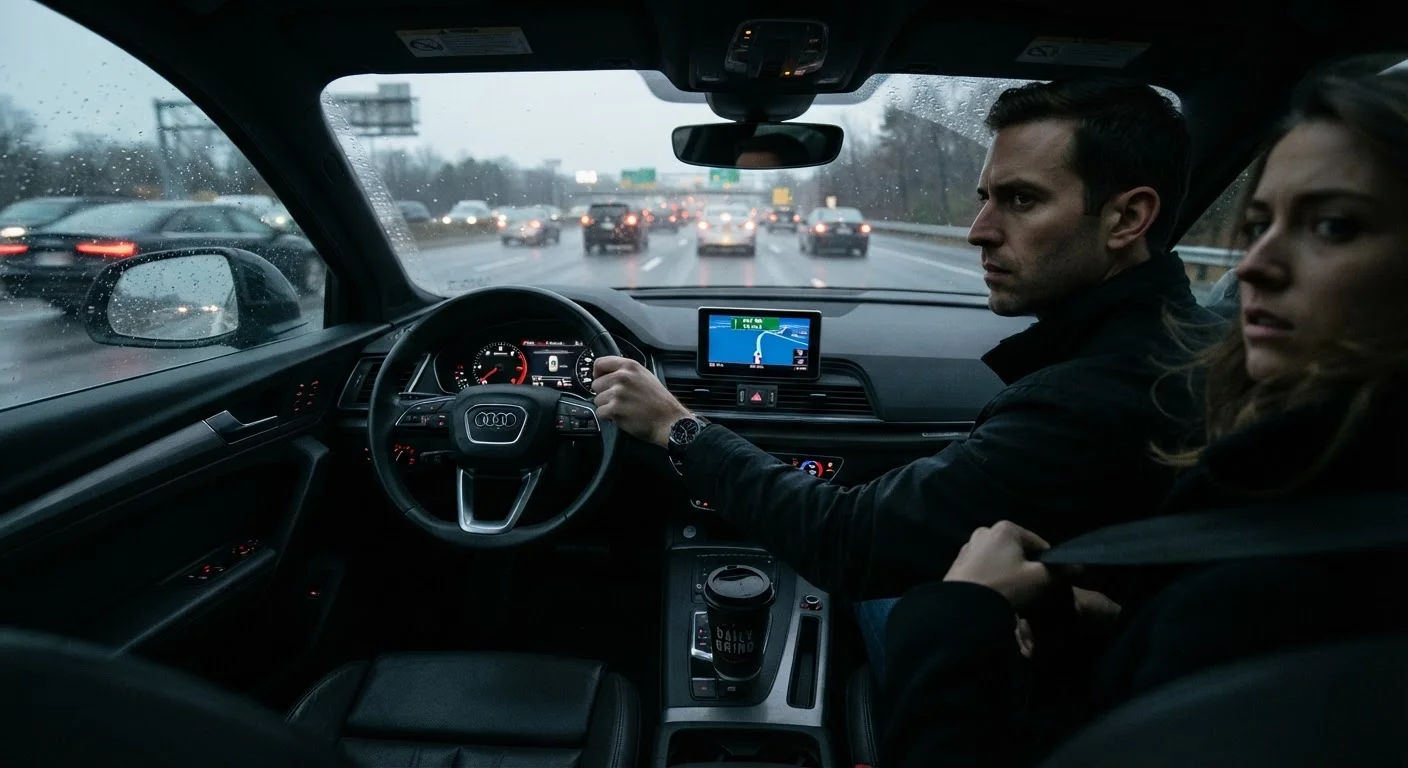
Photo: ConfiReads.com | Blogs For Inquisitive Minds editorial
Key Takeaways
- Phone use is widely cited, but eating, passengers, and in-car tech are equally dangerous distractions.
- Distraction falls into three types: visual, manual, and cognitive - many activities trigger all three simultaneously.
- Even hands-free technology creates cognitive load that degrades situational awareness.
- Small pre-drive habits can significantly reduce the number of distractions you encounter on the road.
The Distraction Problem Is Wider Than Most Drivers Realize
Ask most drivers what distracted driving looks like and they'll describe someone staring at a phone. That's an accurate picture - but an incomplete one. Driving demands continuous visual scanning, active steering inputs, and constant situational awareness. Almost anything that interrupts one of those processes qualifies as a distraction, whether it comes from a screen, a sandwich, a passenger, or your own wandering mind.
The National Highway Traffic Safety Administration (NHTSA) tracks distraction as a contributing factor in thousands of fatal crashes each year, and phone use is only one entry on a much longer list. Understanding the full range of distractions is the first step toward managing them - because you can't avoid risks you haven't recognized.
The Three Types of Distraction
Nighttime driving adds another layer of complexity; reduced visibility narrows the margin for inattention. Our guide on driving at night covers the habits that keep you safer after dark.
Eating and drinking behind the wheel
Grabbing a coffee or a drive-through meal during a commute feels routine, but eating while driving requires at least one hand off the wheel, diverts your eyes to manage spills or packaging, and occupies mental focus. A spilled hot drink or a bite that requires two hands can force a sudden, unplanned reaction at the worst possible moment. Safety researchers have long identified eating as a manual and visual distraction that elevates crash risk in ways most drivers underestimate. Pull over or finish meals before getting back on the road whenever possible.
A spilled drink or awkward bite can force a sudden, dangerous reaction mid-traffic.
In-vehicle infotainment and navigation systems
Built-in touchscreens, GPS displays, and voice-command interfaces are marketed as safer alternatives to phones - and in some ways they are - but they still introduce significant cognitive and visual distraction. Entering a destination into a navigation app while moving, adjusting audio menus, or swiping through options on a large display diverts eye contact from the road for multiple seconds. Studies referenced by the AAA Foundation for Traffic Safety have found that some in-vehicle infotainment systems demand more than 40 seconds of driver attention to complete a task - far longer than most drivers assume.
Some in-vehicle systems demand over 40 seconds of driver attention to complete a single task.
Passenger conversations
Talking with passengers is the most socially normalized form of driver distraction. Unlike phone calls, passengers typically adjust their conversation when traffic demands increase - but this natural moderation is not guaranteed, especially with children or during emotionally charged discussions. Animated conversations pull cognitive attention away from hazard detection, narrow your field of effective vision, and slow reaction times. New and teen drivers are especially vulnerable; graduated licensing laws in many states restrict passengers in young drivers' vehicles for exactly this reason.
Emotionally charged or animated conversations can narrow effective vision and slow hazard response.
Daydreaming and mind-wandering
Cognitive distraction - the kind that happens entirely inside your head - may actually be the most common form of inattention behind the wheel. Research associated with traffic safety organizations has consistently found that mind-wandering (also called "highway hypnosis" on long stretches) accounts for a substantial portion of distraction-related crashes. Unlike eating or phone use, there's nothing external to point to. A driver's hands can be on the wheel and eyes can be aimed forward while their attention is completely elsewhere. This form of distraction is also linked closely to fatigue; see our guide to recognizing driver fatigue for the warning signs to watch for.
Highway hypnosis is invisible - eyes forward, hands on the wheel, mind entirely elsewhere.
Adjusting controls, mirrors, and climate settings
Fiddling with the heater, searching for a radio station, or repositioning a mirror while in motion are quick tasks that seem trivial but require taking a hand off the wheel and glancing away. These brief diversions compound in risk when they coincide with a lane merge, a pedestrian stepping off a curb, or a car braking unexpectedly ahead. Pre-drive preparation is the straightforward fix: adjust mirrors, climate controls, seat position, and audio before pulling out of the driveway or parking space.
A two-second glance at a climate control can overlap with a pedestrian entering your path.
External events and roadside distractions
Rubbernecking at a crash, an unusual roadside sign, or an attention-grabbing billboard diverts your gaze from the lane ahead and creates a ripple effect - when one driver slows to look, those behind are forced to brake unexpectedly. This is a major contributor to secondary crash risk at incident scenes. Overconfidence about one's ability to glance away briefly also plays a role; our article on overconfidence at the wheel explores how experienced drivers often underestimate exactly these kinds of habitual risk-takers.
Rubbernecking creates a ripple braking effect that significantly raises secondary crash risk.
Pets and unsecured cargo
An unrestrained dog in the front seat or shifting cargo in the back creates unpredictable physical and mental demands on the driver. Pets can move onto the driver's lap, obstruct foot pedals, or demand attention at critical moments. Unsecured items that slide or fall can startle a driver into a sudden steering input. Proper pet restraints and organized cargo areas are straightforward precautions. Some states have statutes addressing unrestrained animals in vehicles; check local regulations to understand what applies in your area.
An unrestrained pet moving onto the driver's lap is a sudden, unpredictable hazard.
Reducing Distraction Starts Before You Move
The most effective strategies for managing in-vehicle distraction are largely preventive. Once you're in motion, the cognitive cost of managing a distraction already exists - the goal is to eliminate as many sources as possible before they arise.
Build a Pre-Drive Routine
It's also worth recognizing that distraction and fatigue often work together. A tired driver is more likely to mind-wander, to reach for stimulants like coffee, and to rely on cruise control in ways that reduce active engagement. Our driver fatigue guide addresses these overlapping risks in detail.
Staying safe behind the wheel ultimately requires an honest assessment of habits, not just technology. Phones are an easy target, but the driver who eats breakfast in traffic, argues with a passenger, and glances at a billboard while merging is just as distracted - and just as much at risk. The same vigilance that good maintenance habits bring to your vehicle's mechanical health applies equally to the driver behind the wheel. Our piece on what mechanics notice that drivers overlook is a useful reminder that small oversights across any system - mechanical or behavioral - have a way of compounding quietly until they become serious problems.
This article is for general informational and educational purposes only. Always follow applicable traffic laws and consult official road safety resources for guidance specific to your state or jurisdiction.
The content on this site is for informational purposes only and is not a substitute for professional advice. Always consult a qualified professional for guidance specific to your situation.