
How to Tell If Your Battery Is About to Fail

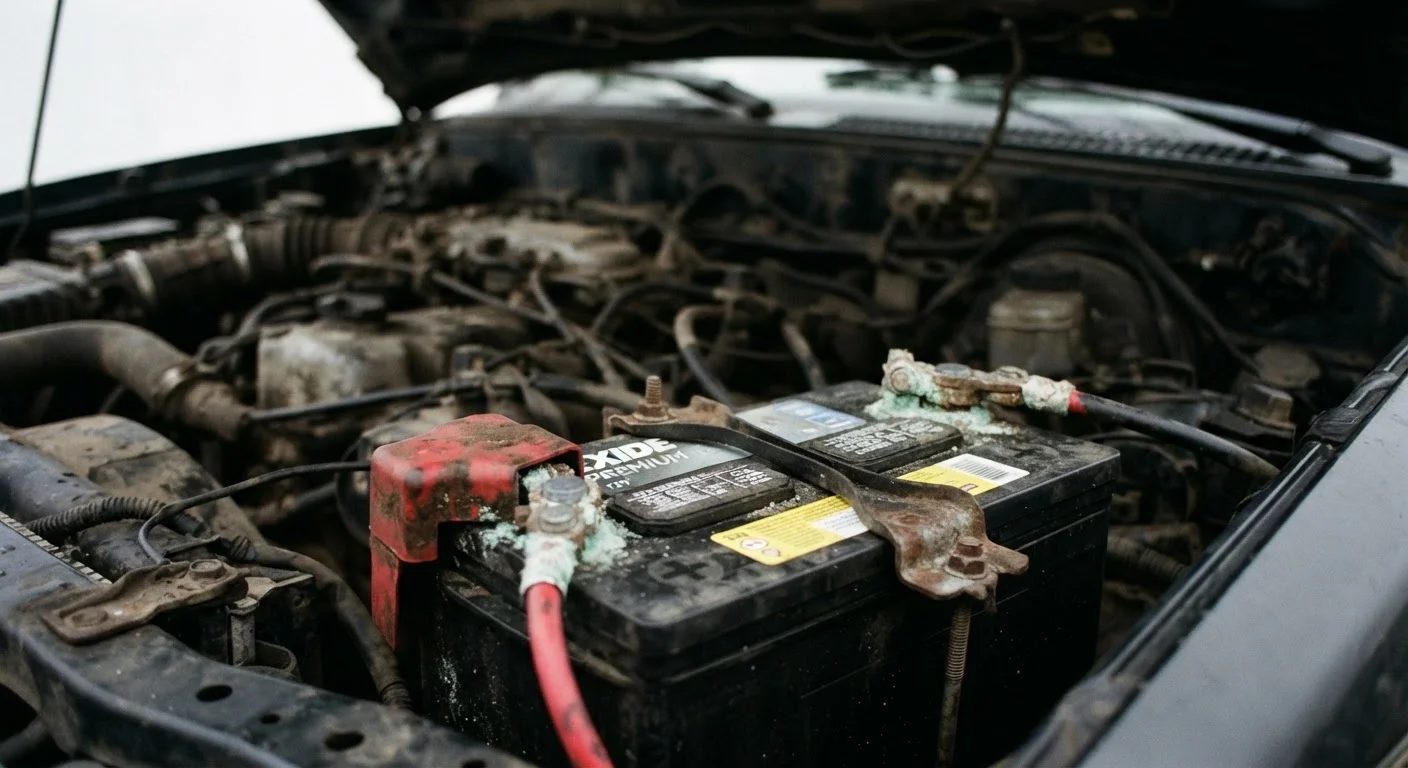
Photo: ConfiReads.com | Blogs For Inquisitive Minds editorial
Key Takeaways
- Most car batteries last 3-5 years and show warning signs before failing completely.
- Slow engine cranking and dim headlights are among the earliest and most reliable indicators.
- Corrosion on battery terminals can interrupt power flow and mimic total battery failure.
- A battery load test at a shop or auto parts store gives a definitive health reading.
- Cold weather significantly accelerates battery deterioration and can trigger sudden failure.
Why Batteries Fail - and Why It Often Comes as a Surprise
Car batteries work silently and reliably for years, which is exactly why their failure catches so many drivers off guard. The typical lead-acid battery lasts 3 to 5 years, depending on climate, driving habits, and vehicle electrical demands. Heat is the primary long-term killer - it accelerates the internal chemical degradation that reduces capacity over time. Cold weather, by contrast, makes an already-weakened battery suddenly unable to deliver the power needed to crank a cold engine, which is why winter produces a disproportionate number of dead-battery calls.
Batteries rarely fail without sending signals first. The problem is that those signals are easy to dismiss individually - a slightly slow start, a light that seems a touch dimmer - until the battery can no longer hold a charge at all. Recognizing the pattern early is the difference between a planned replacement and an inconvenient breakdown. Mechanics often note that battery health is one of the most overlooked maintenance items; our article on things mechanics notice that drivers overlook covers other easy-to-miss warning signs.
Get a Free Battery Test Before Winter
What to Do When You Spot the Warning Signs
Running through the steps above gives you a clear picture of your battery's condition. If multiple symptoms are present - slow cranking, dim lights, and a voltage reading below 12.4V - the case for replacement is strong. Keep in mind that a battery showing these signs during summer will perform even worse as temperatures fall.
Don't Ignore a Sudden Dead Battery
When shopping for a replacement, match the battery's CCA (cold cranking amps) and group size to your vehicle's specifications, found in the owner's manual. Installation is straightforward for most vehicles, but if your car has an electronic memory-saver requirement or a battery registration procedure (common on newer European models), consult your owner's manual or a qualified technician to avoid triggering fault codes.
What you will need
Regular checks - especially before winter - keep you in control of the timeline rather than leaving it to chance. Use
Digital Multimeter
Measures battery voltage to give a baseline health reading (12.6V or above indicates a fully charged, healthy battery).
Battery Load Tester
Simulates the cranking load on the battery to reveal whether it can deliver sufficient current under real-world conditions.
Battery Terminal Brush or Wire Brush
Removes corrosion buildup from terminals to ensure accurate testing and restore clean electrical contact.
Protective Gloves and Safety Glasses
Protects hands and eyes from battery acid and corrosive residue during inspection.
Listen and feel when you start the engine
Turn the key or press the start button and pay close attention. A healthy battery cranks the engine quickly and confidently. If you notice a sluggish, labored start - often described as a slow whirr-whirr-whirr - or the engine hesitates before catching, the battery may not be delivering full cranking power. This symptom is especially significant first thing in the morning or after the car has sat overnight.
Check for dimming lights and electrical irregularities
With the engine off, turn on your headlights and observe their brightness. Then start the engine and watch whether the lights brighten noticeably - a significant surge indicates the battery was struggling to hold adequate voltage. Inside the cabin, flickering interior lights, a sluggish power window, or a radio that resets unexpectedly are also signs of an unstable electrical supply rooted in the battery.
Inspect the battery terminals and casing
Open the hood and visually examine the battery. Look for white, blue, or greenish powder around the terminals - this is corrosion that restricts current flow. Also check the battery casing itself: a bulging or swollen case is a serious sign of internal damage, often caused by excessive heat or overcharging. A cracked or leaking case requires immediate professional attention.
Check the dashboard for warning lights
A battery-shaped icon on your dashboard is the most direct signal from your vehicle's charging system. However, a failing battery can also trigger other warning lights - including the check engine light - as voltage irregularities confuse onboard sensors. If you see unexplained dashboard warnings alongside any other symptoms, treat it as a potential battery issue until proven otherwise. Our guide on car warning lights explains what each symbol means and when to act quickly.
Test the battery voltage with a multimeter
Set your digital multimeter to DC voltage (20V range). Connect the red probe to the positive terminal and the black probe to the negative terminal. A fully charged battery should read approximately 12.6 volts or higher with the engine off. A reading of 12.2V suggests the battery is only about 50% charged; below 12.0V indicates a significantly discharged or failing battery. These readings reflect the battery's resting state - always test after the vehicle has been parked for at least two hours.
Confirm with a professional load test if needed
A voltage reading tells you charge level, not true capacity. A battery can show adequate resting voltage yet still fail under the load of starting the engine - particularly in cold weather. A load test, performed with specialized equipment at a shop or auto parts retailer, simulates the cranking demand and reveals whether the battery can sustain sufficient current delivery. If the battery is more than three years old and showing any symptoms, a load test gives you a definitive answer before you're stranded.
The content on this site is for informational purposes only and is not a substitute for professional advice. Always consult a qualified professional for guidance specific to your situation.