
How the Claims Process Works: From Filing to Settlement

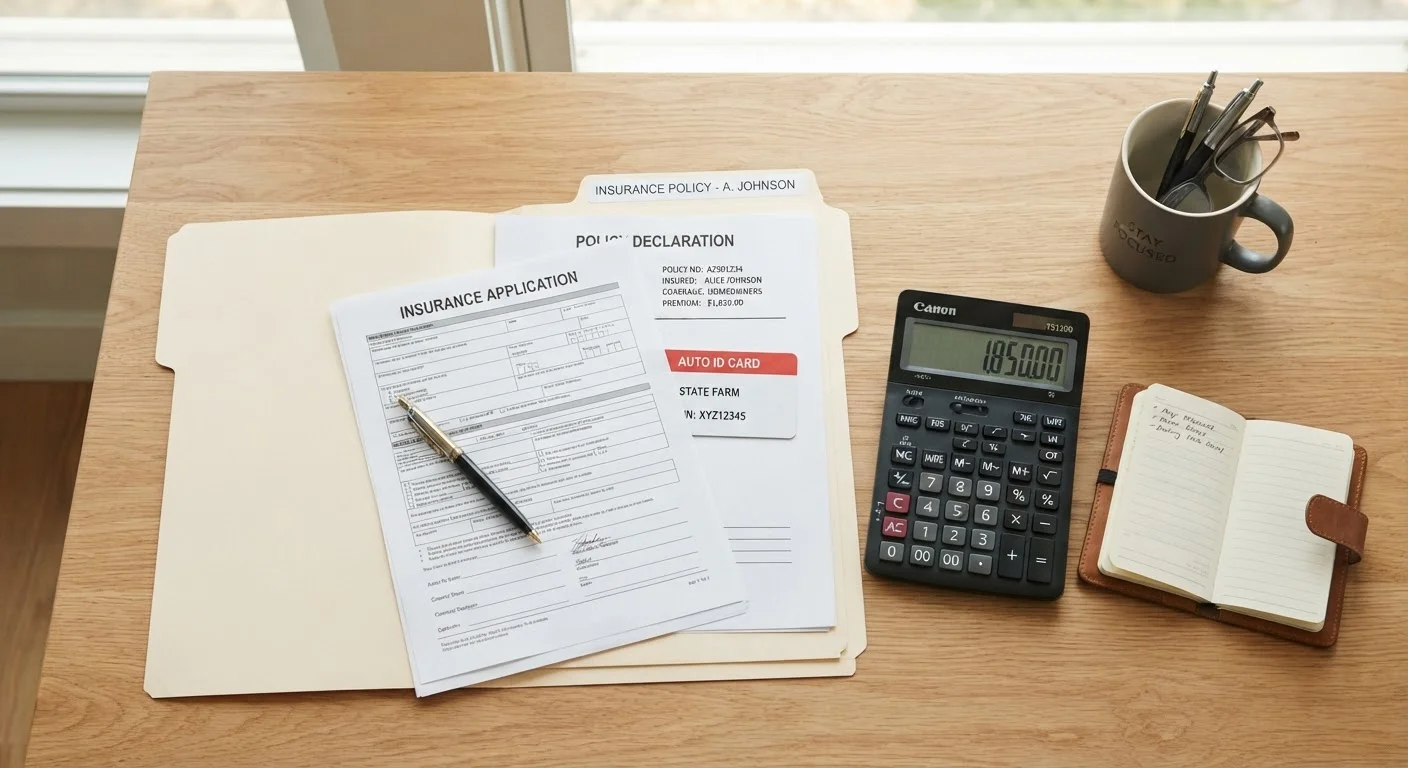
Photo: ConfiReads.com | Blogs For Inquisitive Minds editorial
Key Takeaways
- Filing a claim triggers a formal review process managed by an adjuster assigned by your insurer.
- Your documentation - photos, receipts, records - directly influences how your settlement is calculated.
- You have the right to dispute a settlement offer through internal appeals or external review.
- Settlements are calculated based on policy limits, deductibles, depreciation, and coverage type.
- Prompt, organized action after a loss can meaningfully speed up the claims timeline.
What Happens the Moment You File
Filing a claim is the official start of a formal process. Once you notify your insurer - by phone, app, or online portal - the company opens a claim file and assigns it a number. That number is your reference point for every interaction going forward, so write it down.
Your insurer will then assign a claims adjuster to your case. The adjuster's job is to investigate the loss, verify that it falls within your coverage, and determine what the insurer owes under the terms of your policy. It's worth understanding early that the adjuster works for the insurance company, not for you. That doesn't make them an adversary, but it does mean your documentation matters. See common myths about adjusters corrected for more context on this relationship.
Before you file, a quick pre-filing review can prevent costly mistakes. Use a pre-filing checklist to confirm you have the documentation you'll need and that the claim is worth filing given your deductible.
What you will need
The Investigation and Documentation Phase
After assignment, the adjuster will contact you to schedule an inspection or request documentation. For property claims, this often means an in-person visit. For auto or smaller claims, it may be a digital review using photos you submit. Either way, the quality of your evidence shapes the outcome.
Create a Digital Evidence File
Gather everything relevant: photos or video of the damage, a written description of what happened and when, any police or incident reports, receipts for damaged items, and contractor or repair estimates. Keep all communication with your insurer in writing where possible so you have a clear record.
The adjuster may bring in specialists - an engineer for structural damage, a medical professional for injury claims - to help evaluate the loss. This phase can take anywhere from a few days to several weeks depending on claim complexity. For a fuller walkthrough of the full timeline, see how insurance claims work from start to finish.
How Settlements Are Calculated
Once the investigation wraps up, the adjuster prepares a settlement recommendation. The number isn't arbitrary - it's calculated using several factors defined in your policy.
- Policy limits: The maximum your policy will pay for a covered loss.
- Deductible: The amount you agreed to pay out of pocket before coverage kicks in. This is subtracted from the settlement.
- Actual Cash Value vs. Replacement Cost: ACV policies factor in depreciation, meaning older items are reimbursed for less than what a new replacement costs. Replacement Cost Value (RCV) policies pay what it costs to replace the item new - but these policies carry higher premiums.
- Exclusions and sub-limits: Your policy may cap certain categories (like jewelry or electronics) or exclude specific causes of loss entirely.
Read your declarations page and policy carefully so the settlement figure isn't a surprise. Coverage terms, exclusions, and payout methods vary significantly by provider and policy type. Filing your claim correctly from the start gives you the best chance at a full and fair settlement.
Know Whether Your Policy Pays ACV or RCV
If You Disagree with the Settlement Offer
You are not required to accept the first settlement offer. If you believe the amount is too low, you have several options.
Start by asking the adjuster to explain the calculation in writing. Review it against your own repair estimates and documentation. If there's a gap, present your evidence and request reconsideration. Many disputes are resolved at this stage simply by providing better documentation.
If you can't reach agreement through the adjuster, most policies include an appraisal clause - a process where each side hires an independent appraiser and a neutral umpire settles any remaining disagreement. You can also file a formal complaint with your state's department of insurance, or request an external review. For a detailed breakdown of that process, see how to appeal a denied or disputed claim.
Throughout the process, keep notes on every conversation - date, time, who you spoke with, and what was said. That record can be invaluable if the dispute escalates.
This article is for general informational purposes only and does not constitute legal, financial, or insurance advice. Coverage terms, claim outcomes, and settlement amounts vary by policy and provider. Consult a licensed insurance professional for guidance specific to your situation.
The content on this site is for informational purposes only and is not a substitute for professional advice. Always consult a qualified professional for guidance specific to your situation.