
Annual Vet Visits and Why They Matter More Than Most Owners Realize

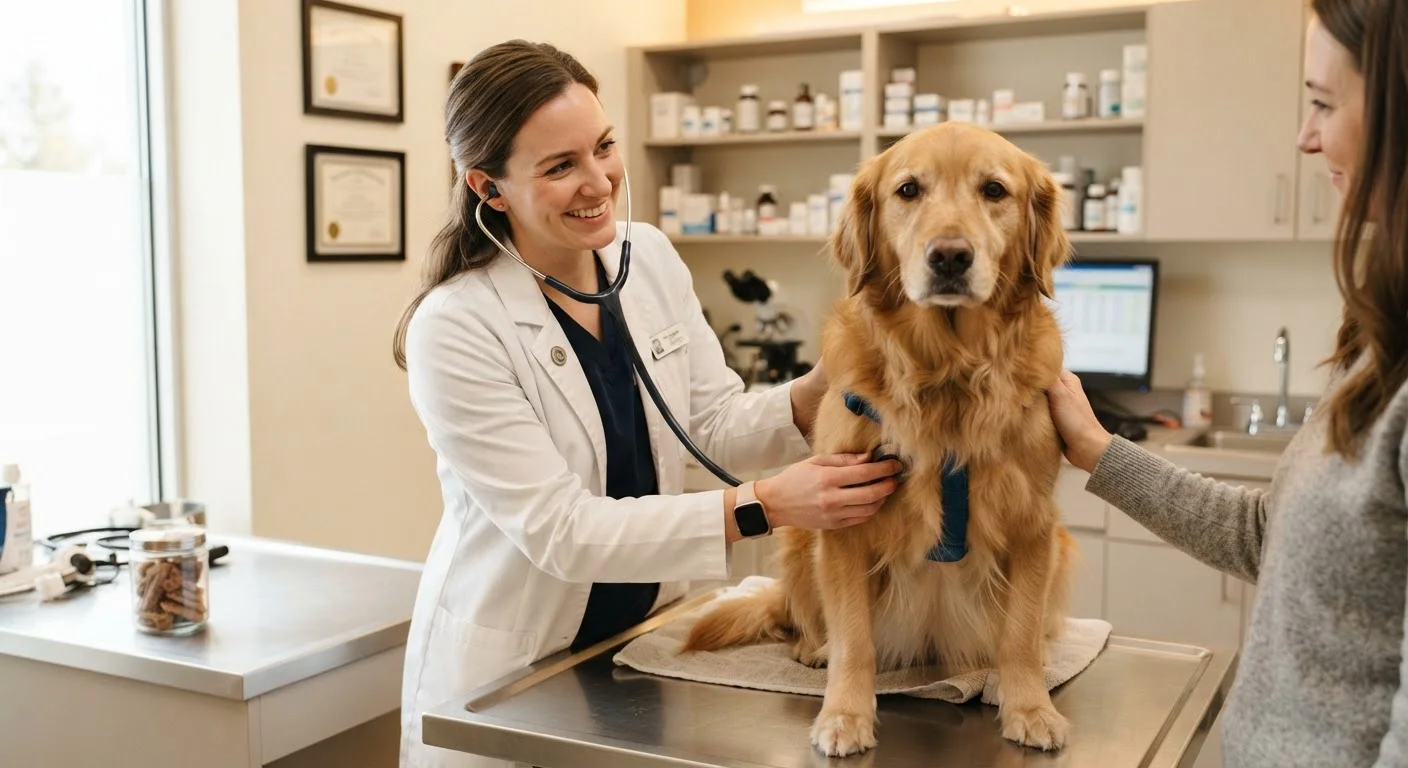
Photo: ConfiReads.com | Blogs For Inquisitive Minds editorial
Key Takeaways
- Annual exams catch health problems before symptoms appear, when treatment is usually simpler and less costly.
- Vets assess far more than vaccines during a wellness visit - including teeth, organs, weight, and behavior.
- Senior pets typically benefit from twice-yearly checkups as their health needs change more rapidly.
- Skipping annual visits creates gaps in your pet's health history that make future diagnoses harder.
- Parasite prevention and vaccine schedules are reviewed and updated at each wellness exam.
What Vets Are Really Looking For
Most pet owners think of an annual vet visit primarily as a time to update shots. In reality, vaccinations typically take just a few minutes of a wellness appointment. The larger portion of the visit is a structured, nose-to-tail physical assessment that covers systems you'd have no easy way to evaluate at home.
Here's what a thorough wellness exam typically includes:
- Weight and body condition: Gradual weight gain or loss is one of the earliest signs of metabolic, dental, or systemic disease.
- Heart and lungs: A stethoscope check can reveal murmurs, irregular rhythms, or early respiratory changes.
- Teeth and gums: Dental disease affects the majority of adult dogs and cats, yet most owners don't notice it until it's painful and costly to treat.
- Eyes and ears: Early signs of infection, inflammation, or pressure changes are often visible before symptoms appear.
- Abdomen: Gentle palpation lets vets feel for organ enlargement, masses, or pain that an animal may be masking.
- Skin and coat: Texture, flaking, odor, and hair loss patterns can all flag hormonal, allergic, or nutritional issues.
That last point matters more than many owners realize. Animals are instinctively wired to conceal weakness - a survival behavior that means your pet may seem fine while quietly managing discomfort. Our guide on why pets hide illness explains this in more detail.
Bring a Written List to Every Visit
Vaccinations and Parasite Prevention: What Gets Reviewed
Annual exams are the natural checkpoint for keeping your pet's preventive care current. Your vet will pull up your pet's vaccination history and determine what's due - not every vaccine is given every year, and schedules are tailored to your pet's age, species, lifestyle, and local disease risks.
The conversation about parasite prevention is equally important. Flea, tick, and heartworm prevention protocols are reviewed at wellness visits, since the right product and dosing can change as your pet ages or as your household situation shifts. For a plain-language breakdown of how these programs work, see our overview of year-round parasite prevention.
~80%
Adult pets with dental disease by age 3
The American Veterinary Medical Association estimates that most dogs and cats show signs of periodontal disease by age three, a condition frequently identified first during wellness exams.
2x/year
Recommended exam frequency for senior pets
Most veterinary organizations recommend that pets considered senior - generally dogs over 7 and cats over 10 - be seen for wellness exams twice annually rather than once.
Early
When treatment is most effective
Across many common pet conditions - including kidney disease, diabetes, and certain cancers - veterinary guidance consistently emphasizes that outcomes improve significantly with earlier detection.
Why Frequency Matters More for Older Pets
Age changes everything in veterinary care. A dog or cat that had stable annual exams at age four may need twice-yearly visits by age eight or nine - not because they're sicker, but because the pace of physiological change accelerates. Kidney function, thyroid levels, joint health, and blood pressure can all shift meaningfully within a six-month window in an older animal.
Blood panels and urinalysis, sometimes optional in younger pets, become more important diagnostically as pets age. These baseline lab values give your vet a reference point, so that a change in next year's results tells a story rather than just a snapshot.
Our article on keeping senior pets comfortable as they age covers the broader adjustments that support quality of life in a pet's later years, including how healthcare routines typically evolve.
Lab Baselines Matter Most Over Time
Building a Health Record Over Time
One underappreciated benefit of consistent annual visits is the health record they create. When a vet sees the same patient year after year, patterns emerge: a slow upward weight trend, a tooth that's getting worse, a heart murmur that's changed grade. Without that history, every visit starts from scratch, and subtle changes go undetected.
Think of it similarly to how a complete maintenance history helps a mechanic diagnose a car problem faster - the same principle applies to your pet's health. Keeping copies of your pet's exam summaries, lab results, and vaccine records at home is a practical habit worth building. If you ever move, change vets, or face an emergency, that documentation matters.
For a broader look at what responsible pet ownership involves across all life stages, see the full picture of responsible pet ownership.
This article is for general informational and educational purposes only. It is not a substitute for professional veterinary advice, diagnosis, or treatment. Always consult a licensed veterinarian for questions about your specific pet's health needs.
Frequently Asked Questions
The content on this site is for informational purposes only and is not a substitute for professional advice. Always consult a qualified professional for guidance specific to your situation.