
Spaying and Neutering: The Health and Behavioral Case for and Against

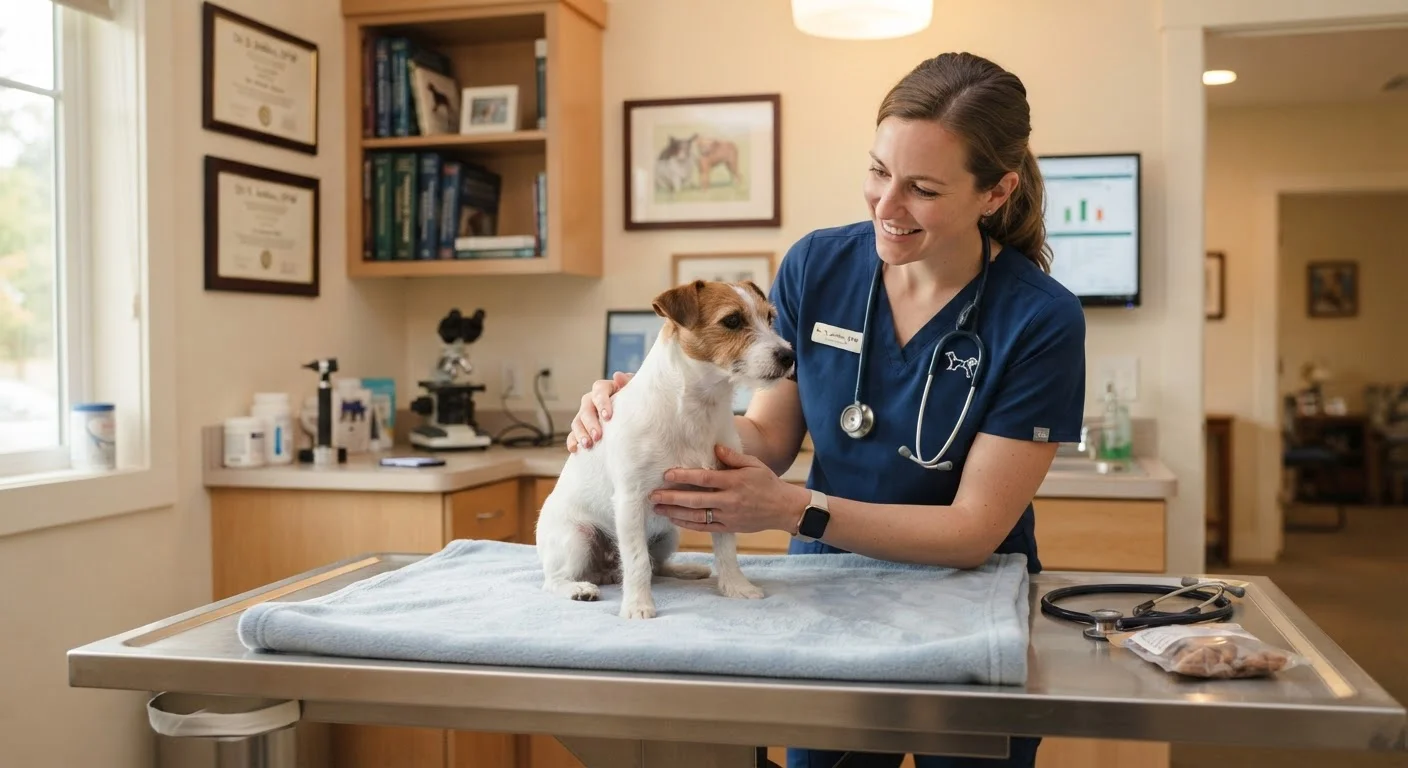
Photo: ConfiReads.com | Blogs For Inquisitive Minds editorial
Key Takeaways
- Spaying and neutering reduces the risk of certain cancers and eliminates reproductive emergencies like pyometra.
- Timing matters: early spay/neuter may affect musculoskeletal development in some large-breed dogs.
- Behavioral benefits such as reduced roaming and aggression are well-documented but not universal.
- Recommendations have evolved - breed, size, and sex now factor into many vets' timing guidance.
- This decision should always be made in partnership with your veterinarian based on your specific pet.
Eliminates risk of pyometra in females
Pyometra is a life-threatening uterine infection that affects a significant proportion of intact female dogs and cats. Spaying completely removes this risk.
Reduces risk of mammary tumors
Spaying before the first or second heat cycle is associated with a substantially lower incidence of mammary gland tumors, which can be malignant in dogs and cats.
Prevents testicular cancer in males
Neutering eliminates the possibility of testicular cancer entirely. It also reduces the risk of benign prostatic hyperplasia, a common condition in older intact male dogs.
Reduces roaming and injury risk
Intact animals are strongly motivated to seek mates, leading to escape attempts and increased exposure to traffic, predators, and other animals.
Helps control pet overpopulation
Millions of animals enter shelters annually in the United States. Spay/neuter remains one of the most direct tools for reducing unwanted litters and shelter overcrowding.
May increase orthopedic risk in large breeds
Research suggests that removing sex hormones before physical maturity can affect joint and bone development in large-breed dogs, potentially raising the risk of conditions like hip dysplasia.
Associated with modest weight gain
Spayed and neutered pets tend to have lower metabolic rates, making weight management more important. Obesity is a significant contributor to joint disease and diabetes in pets.
Surgical and anesthetic risks apply
Although generally low, all surgeries carry some risk. Older, obese, or otherwise compromised animals face higher anesthetic risk than young, healthy ones.
Some behavioral changes are not guaranteed
While roaming and marking often decrease, behaviors rooted in fear, learned habits, or genetics may be unaffected by the hormonal change surgery produces.
Possible links to some cancers in certain breeds
Some studies have found breed-specific associations between early spay/neuter and increased rates of certain cancers. This remains an active area of research and is not universal across all breeds.
What Spaying and Neutering Actually Involves
Spaying (ovariohysterectomy) removes a female animal's ovaries and uterus. Neutering (orchiectomy) removes a male animal's testes. Both are surgical procedures performed under general anesthesia by a licensed veterinarian. Recovery typically takes one to two weeks for routine cases, though this varies by species and individual health.
These procedures are among the most commonly performed in veterinary medicine and have a long track record of safety. That said, like any surgery, they carry some risk - infection, anesthetic complications, and post-operative concerns are possible, though uncommon when performed by an experienced vet. If you're considering the procedure, reviewing what a routine wellness visit looks like first can be helpful - see our guide on annual vet visits and what they involve.
The Case For: Health and Behavioral Benefits
The documented benefits of spaying and neutering are substantial and well-supported by veterinary research.
Eliminates risk of pyometra in females
Pyometra is a life-threatening uterine infection that affects a significant proportion of intact female dogs and cats. Spaying completely removes this risk.
Reduces risk of mammary tumors
Spaying before the first or second heat cycle is associated with a substantially lower incidence of mammary gland tumors, which can be malignant in dogs and cats.
Prevents testicular cancer in males
Neutering eliminates the possibility of testicular cancer entirely. It also reduces the risk of benign prostatic hyperplasia, a common condition in older intact male dogs.
Reduces roaming and injury risk
Intact animals are strongly motivated to seek mates, leading to escape attempts and increased exposure to traffic, predators, and other animals.
Helps control pet overpopulation
Millions of animals enter shelters annually in the United States. Spay/neuter remains one of the most direct tools for reducing unwanted litters and shelter overcrowding.
~6.5M
Animals entering U.S. shelters annually
According to the ASPCA, approximately 6.5 million companion animals enter U.S. animal shelters every year, underscoring the scale of pet overpopulation.
Up to 26%
Intact females developing pyometra by age 10
Research published in veterinary literature estimates that roughly one in four intact female dogs may develop pyometra by the age of 10.
On the behavioral side, neutered male dogs and cats are generally less likely to roam in search of mates - a behavior that significantly raises the risk of traffic injuries and fighting. Intact males are also more prone to urine marking indoors and, in some species, inter-male aggression. Spayed females no longer experience heat cycles, which can involve vocalization, restlessness, and attracting unwanted attention from intact males.
It's worth noting that behavioral changes are not guaranteed. Hormones are one factor among many in behavior, and some traits - especially those rooted in learning or fear - are unlikely to change after surgery.
The Case Against: Risks and Evolving Research
The picture is not entirely one-sided. A growing body of research - much of it focused on large and giant-breed dogs - has identified potential downsides to early spay/neuter.
May increase orthopedic risk in large breeds
Research suggests that removing sex hormones before physical maturity can affect joint and bone development in large-breed dogs, potentially raising the risk of conditions like hip dysplasia.
Associated with modest weight gain
Spayed and neutered pets tend to have lower metabolic rates, making weight management more important. Obesity is a significant contributor to joint disease and diabetes in pets.
Surgical and anesthetic risks apply
Although generally low, all surgeries carry some risk. Older, obese, or otherwise compromised animals face higher anesthetic risk than young, healthy ones.
Some behavioral changes are not guaranteed
While roaming and marking often decrease, behaviors rooted in fear, learned habits, or genetics may be unaffected by the hormonal change surgery produces.
Possible links to some cancers in certain breeds
Some studies have found breed-specific associations between early spay/neuter and increased rates of certain cancers. This remains an active area of research and is not universal across all breeds.
Breed-Specific Guidance Is Becoming Standard
Studies from UC Davis and other institutions have found associations between early gonadectomy (removal of reproductive organs) and increased rates of certain orthopedic conditions, including hip dysplasia and cranial cruciate ligament tears, in some large breeds. Sex hormones play a role in musculoskeletal development, and removing them before physical maturity may affect bone and joint health in ways that vary by breed and sex.
Additionally, some research has linked early spay/neuter to a modestly increased risk of certain cancers - including hemangiosarcoma and mast cell tumors - in specific breeds. These findings don't reverse the overall case for the procedure, but they have prompted many vets to recommend waiting until physical maturity for large breeds before operating.
How Timing Recommendations Have Shifted
Traditional guidance in the United States long favored spaying or neutering dogs and cats around six months of age. That consensus has become more nuanced. Many veterinarians now tailor their timing recommendations based on breed size, sex, and intended lifestyle.
- Small and medium breeds: Six months remains a common and generally well-supported target.
- Large and giant breeds: Many vets now suggest waiting until 12-24 months to allow for fuller physical development.
- Cats: Early spay/neuter (as young as 8 weeks in shelter settings) is widely practiced and considered safe, with fewer of the orthopedic concerns seen in large-breed dogs.
This is a conversation worth having with your vet before your pet reaches sexual maturity. Being a prepared and informed owner starts early - our overview of what to consider before bringing a pet home covers this and other key decisions new owners face.
For a broader look at what responsible ownership involves across a pet's life, see the full picture of responsible pet ownership.
This article provides general educational information about veterinary procedures and is not a substitute for professional veterinary advice. Always consult a licensed veterinarian before making medical decisions for your pet.
The content on this site is for informational purposes only and is not a substitute for professional advice. Always consult a qualified professional for guidance specific to your situation.