
The Difference Between Water-Soluble and Fat-Soluble Vitamins

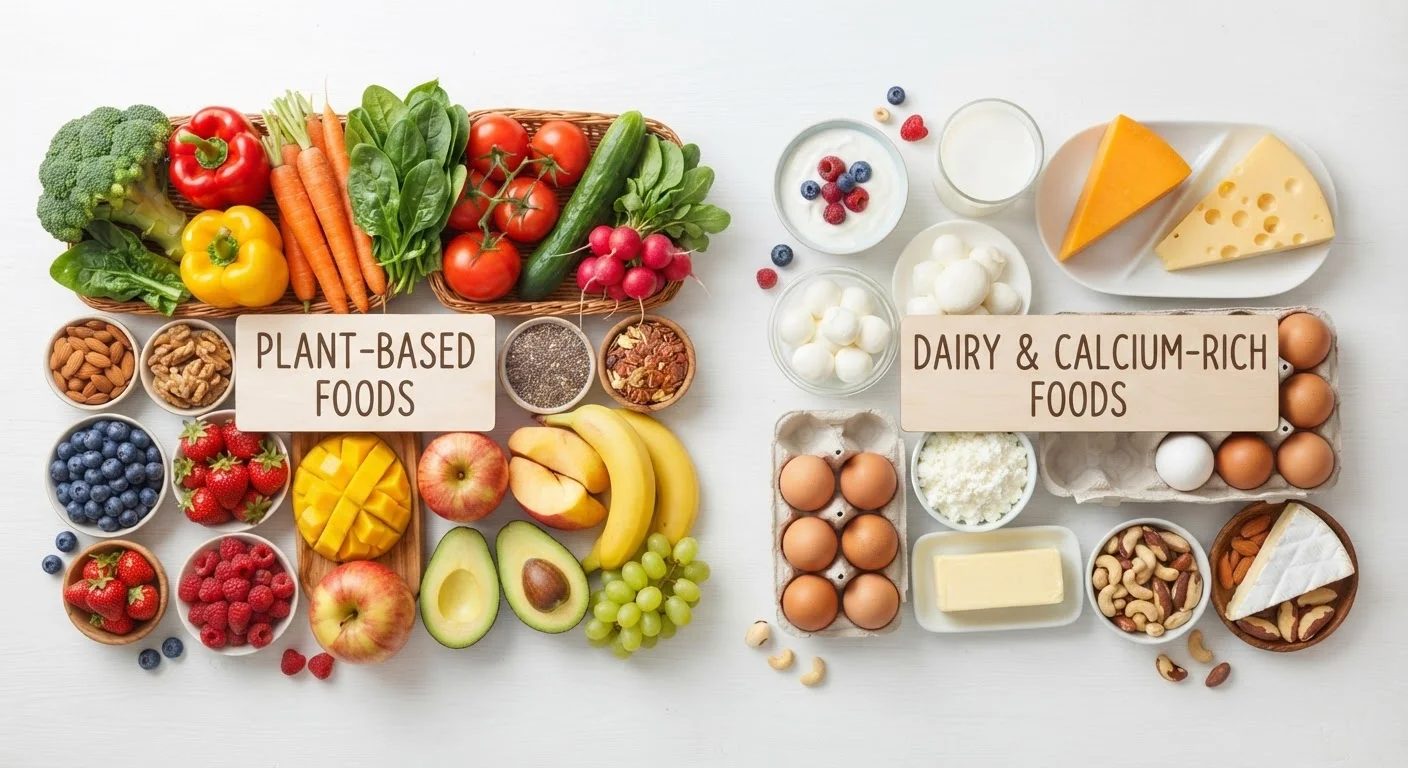
Photo: ConfiReads.com | Blogs For Inquisitive Minds editorial
Key Takeaways
- Water-soluble vitamins (B vitamins and vitamin C) are not stored in the body and must be replenished regularly through diet.
- Fat-soluble vitamins (A, D, E, and K) are stored in the liver and fatty tissues and can build to toxic levels if over-supplemented.
- Absorption of fat-soluble vitamins requires dietary fat; eating them with fat-containing foods improves uptake.
- Toxicity from excess intake is a realistic risk with fat-soluble vitamins, particularly A and D from high-dose supplements.
- Most healthy adults who eat a varied diet get adequate amounts of both types without supplementation.
What Makes a Vitamin 'Water-Soluble' or 'Fat-Soluble'?
The classification comes down to chemistry. Water-soluble vitamins dissolve in water, which means they travel freely through your bloodstream and are excreted in urine when present in excess. The group includes vitamin C and the eight B vitamins - thiamine (B1), riboflavin (B2), niacin (B3), pantothenic acid (B5), B6, biotin (B7), folate (B9), and B12.
Fat-soluble vitamins - A, D, E, and K - dissolve in fat rather than water. They are absorbed through the intestinal wall with the help of dietary fats, then transported via the lymphatic system before entering the bloodstream. Surplus amounts are stored in the liver and adipose (fat) tissue rather than excreted. For a broader overview of how these and other nutrients are defined, see our nutrient glossary for plain-language definitions.
| Criterion | Water-Soluble Vitamins | Fat-Soluble Vitamins |
|---|---|---|
| Vitamins included | C, B1, B2, B3, B5, B6, B7, B9, B12 | A, D, E, K |
| Stored in the body? | No - excess excreted in urine | Yes - liver and fatty tissue |
| Requires fat for absorption? | No | Yes |
| Toxicity risk from supplements? | Low (some risk with very high-dose B6 or niacin) | Higher - especially vitamins A and D |
| Frequency of intake needed | Regular daily intake recommended | Less frequent; reserves buffer short gaps |
| Common deficiency concern | B12 (especially plant-based diets), folate | Vitamin D (very widespread globally) |
Absorption, Storage, and Risk of Deficiency
Because water-soluble vitamins are not stored in any meaningful quantity, the body depends on a steady supply from food. Falling short is relatively common - vitamin B12 deficiency, for instance, is well-documented among older adults and those eating exclusively plant-based diets, where dietary sources are scarce. Folate shortfalls carry particular significance during early pregnancy, which is why healthcare providers routinely address it in prenatal care.
Fat-soluble vitamins tell a different story. Because the body holds reserves in tissue, short-term dietary gaps are less immediately consequential. However, those reserves also mean toxicity is a real concern with aggressive supplementation. Vitamin D toxicity from over-supplementation - though less common than deficiency - can cause elevated blood calcium, nausea, kidney problems, and other serious effects. Preformed vitamin A (found in liver and many supplements) poses a similar risk at high doses.
~42%
U.S. adults with vitamin D insufficiency
A 2011 analysis published in Nutrition Research estimated that approximately 41.6% of U.S. adults had vitamin D insufficiency, with higher rates among Black and Hispanic adults.
1 in 6
Older adults with B12 deficiency or depletion
Research published in the American Journal of Clinical Nutrition suggests that up to 1 in 6 older adults may have some degree of B12 deficiency or marginal status.
The practical takeaway: with fat-soluble vitamins, more is not always better - and getting routine blood levels checked before starting high-dose supplements is a reasonable step to discuss with a healthcare provider.
How to Eat for Better Vitamin Absorption
Understanding solubility has direct implications for how you eat. Fat-soluble vitamins require fat in the same meal to absorb properly. Research consistently shows that eating carotenoids (vitamin A precursors) found in carrots or leafy greens alongside a source of fat - olive oil, avocado, nuts - meaningfully improves absorption compared to eating those vegetables plain.
Water-soluble vitamins are more forgiving in this regard, though heat and water exposure during cooking can degrade them. Boiling vegetables can leach B vitamins and vitamin C into cooking water; steaming or roasting tends to preserve more of these nutrients. Eating a wide variety of whole foods - vegetables, legumes, whole grains, lean proteins, and some dairy or fortified alternatives - remains the most reliable strategy for covering both types. Just as dietary variety matters for vitamins, it matters for other nutrients too; our piece on dietary fiber covers another nutrient where most Americans fall short.
A Note on Supplements vs. Food Sources
This article is for general informational and educational purposes only and is not a substitute for professional medical or dietary advice. Speak with a qualified healthcare provider before making changes to your diet or supplement routine.
The content on this site is for informational purposes only and is not a substitute for professional advice. Always consult a qualified professional for guidance specific to your situation.