
Nutrition Through Every Decade: How Dietary Needs Shift With Age

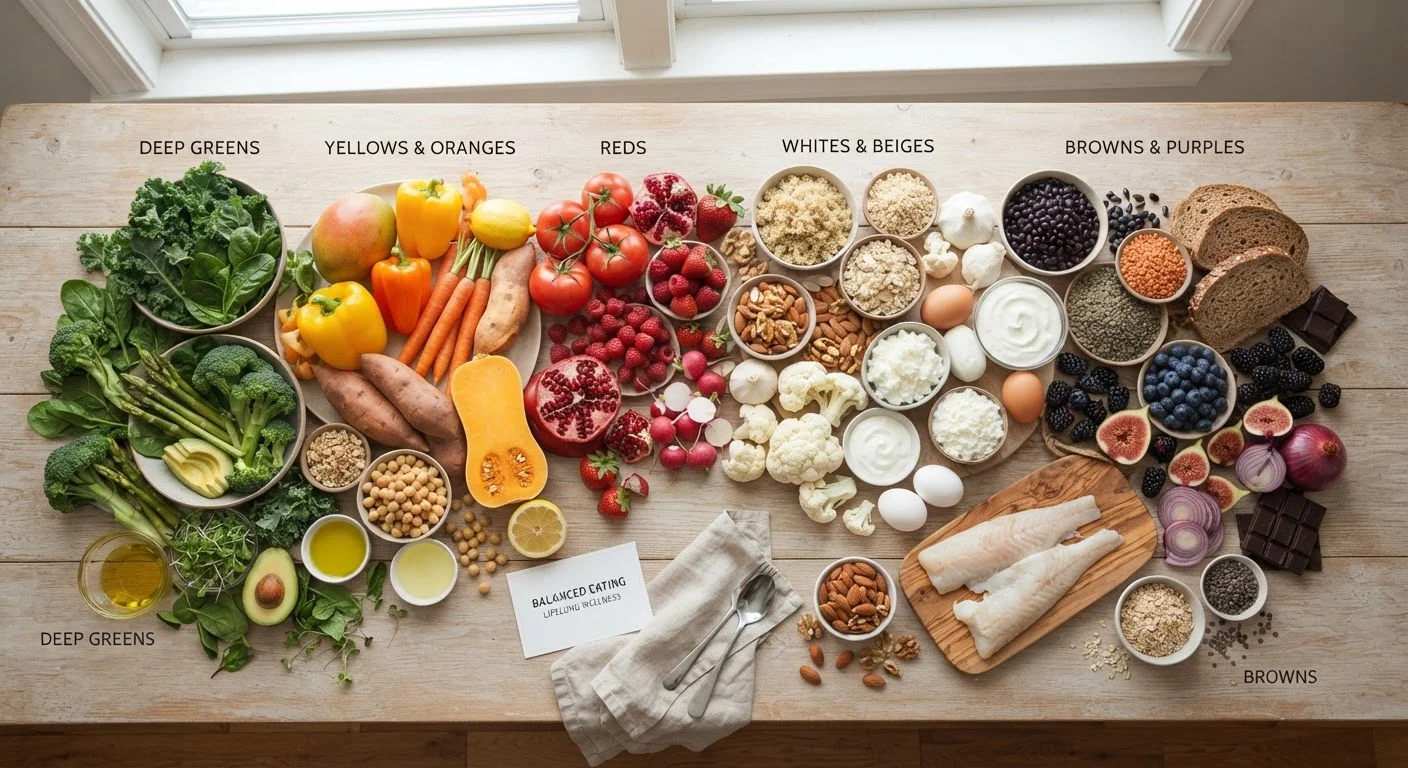
Photo: ConfiReads.com | Blogs For Inquisitive Minds editorial
Why Nutritional Needs Don't Stay Static
The idea that one eating pattern serves you well from your 20s through your 70s is a convenient myth. Hormonal changes, shifts in muscle mass, slower digestion, and evolving disease risk all alter which nutrients your body needs most - and how efficiently it absorbs them. Understanding those shifts helps you eat with intention rather than guesswork.
This article is general health information, not personalized medical or dietary advice. For guidance specific to your health history, consult a registered dietitian or your primary care provider.
Your 20s and 30s: Building the Foundation
These decades are defined by peak bone formation, reproductive health, and establishing metabolic baselines that influence health for life. Several nutrients deserve particular attention.
- Calcium and vitamin D: Bone density peaks around age 30. Adequate calcium (found in dairy, fortified plant milks, leafy greens, and canned sardines) and vitamin D (synthesized via sunlight, and found in fatty fish and fortified foods) during this window is critical - you can't fully compensate for shortfalls later.
- Folate: Essential for cell division and fetal neural tube development, folate from leafy greens, legumes, and fortified grains is especially important for people of reproductive age.
- Iron: Menstruating individuals have higher iron needs. Lean red meat, lentils, tofu, and pairing plant-based iron sources with vitamin C improves absorption.
- Protein: Supports muscle maintenance and recovery. Most adults in this age range meet protein needs through a varied diet, but active individuals may need more.
Just as physical priorities evolve with age, so do fitness approaches - see our guide to exercise across adulthood for complementary context.
Your 40s and 50s: Navigating Metabolic and Hormonal Shifts
Metabolic rate typically slows in this period, and muscle mass begins declining gradually - a process called sarcopenia. Perimenopause and menopause bring additional hormonal changes that affect bone health, cardiovascular risk, and body composition.
Sarcopenia
The gradual, age-related loss of skeletal muscle mass and strength. It typically begins in the 30s and accelerates after 60, and is influenced by physical activity, protein intake, and hormonal changes.
Bioavailability
The proportion of a nutrient that the body actually absorbs and uses from food or a supplement. Bioavailability varies by nutrient form, food pairing, digestive health, and age.
Perimenopause
The transitional phase leading up to menopause, typically spanning several years, during which hormonal fluctuations can affect bone density, body composition, and nutritional needs.
Micronutrients
Vitamins and minerals required in relatively small amounts but essential for a wide range of bodily functions, including immune response, bone health, and energy metabolism.
- Protein (again, and more urgently): Increasing lean protein intake helps preserve muscle mass as the body becomes less efficient at building and maintaining it. Eggs, poultry, legumes, Greek yogurt, and fish are practical sources.
- Calcium and vitamin D (reinforced): Estrogen decline accelerates bone loss. Dietary and supplemental sources of both nutrients take on renewed importance - though supplement decisions should involve a healthcare provider.
- Omega-3 fatty acids: Found in fatty fish, walnuts, and flaxseed, omega-3s support heart health and have anti-inflammatory properties relevant to rising cardiovascular risk in this decade. For more on these and other key nutrients, see our nutrient glossary.
- Fiber: Supports digestive health, blood sugar stability, and cholesterol management - increasingly relevant as metabolic disease risk rises.
Your 60s and Beyond: Absorption, Appetite, and Targeted Gaps
Older adults face a paradox: caloric needs often decrease while micronutrient needs stay the same or increase. Simultaneously, absorption of several key nutrients declines.
~30%
Older adults with reduced food-bound B12 absorption
The National Academy of Medicine estimates up to 30% of adults over 50 have impaired absorption of B12 from food sources.
1-2% per year
Rate of muscle mass loss after age 60
Research published in the Journal of Cachexia, Sarcopenia and Muscle indicates muscle loss can accelerate to roughly 1-2% annually in older adults.
≥600 IU
Daily vitamin D recommendation for adults 51-70
The National Academy of Medicine recommends at least 600 IU of vitamin D daily for adults aged 51-70, rising to 800 IU for those over 70.
- Vitamin B12: Stomach acid production drops with age, impairing B12 absorption from food. Crystalline B12 in fortified foods or supplements is better absorbed and may be necessary - discuss with a provider.
- Vitamin D: Skin becomes less efficient at synthesizing vitamin D from sunlight. Dietary sources and, where indicated, supplementation become more important.
- Protein: Research suggests older adults may benefit from higher protein intake per kilogram of body weight than current general recommendations reflect, particularly to counter sarcopenia. Evidence in this area is still evolving.
- Hydration: The sense of thirst diminishes with age, making dehydration a real and underappreciated risk. Consistent fluid intake - including water-rich foods - warrants conscious attention.
- Calcium: Bone fracture risk continues to rise. Whole-food calcium sources remain preferable to high-dose supplements, which carry their own risk considerations.
This article is for general informational purposes only and does not constitute medical or dietary advice. Always consult a qualified healthcare professional or registered dietitian before making significant changes to your diet, particularly if you have existing health conditions or take medications.
The content on this site is for informational purposes only and is not a substitute for professional advice. Always consult a qualified professional for guidance specific to your situation.