
Small Movements, Real Results: Ways to Stay Active Without a Formal Workout

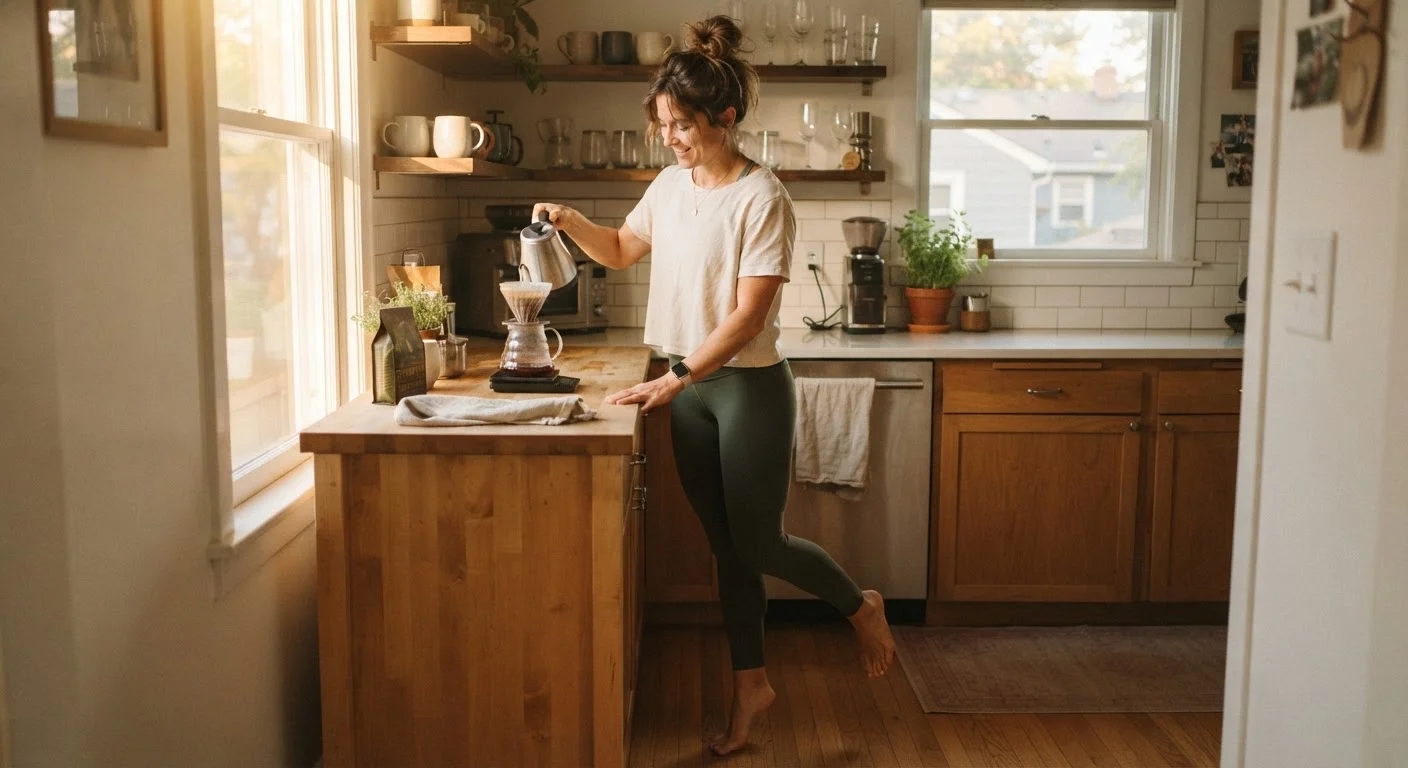
Photo: ConfiReads.com | Blogs For Inquisitive Minds editorial
Key Takeaways
- Short bursts of movement throughout the day contribute meaningfully to overall physical health.
- You don't need a gym membership or scheduled workout to reduce sedentary time.
- Small habit anchors - pairing movement with existing routines - make consistency far easier.
- Research supports that accumulated daily activity improves cardiovascular, metabolic, and mental health markers.
- Anyone can start adding movement regardless of fitness level, age, or available time.
Why Everyday Movement Matters
Structured exercise is valuable - but it's far from the only lever you can pull. Research consistently shows that how much you move across an entire day, not just during a dedicated workout window, plays a significant role in cardiovascular health, metabolic function, mood, and longevity. The concept is sometimes called non-exercise activity thermogenesis (NEAT) - essentially, the energy your body burns during all the movement that isn't formal exercise.
For many Americans, long stretches of sitting at a desk or on a couch cancel out meaningful chunks of that benefit, even when they do exercise regularly. The good news: small, deliberate movement choices scattered through your day add up more than most people expect.
If you're looking for a more structured starting point, this beginner-friendly guide walks through building an exercise habit from scratch. But if formal workouts feel out of reach right now - or you simply want to move more between sessions - the strategies below are a practical place to begin.
Take the Long Route - Deliberately
Parking farther away, taking the stairs instead of the elevator, or walking to a colleague's desk rather than sending an email are low-stakes choices that require no extra time set aside. They feel minor individually, but accumulating these decisions across a workday translates to hundreds of extra steps and meaningful additional energy expenditure.
Walking is one of the most well-researched forms of physical activity available - and it doesn't need to happen in one block to count.
Small detours add up to real distance without requiring any dedicated workout time.
Use Waiting Time as Movement Time
Waiting for coffee to brew, the microwave to finish, or a meeting to start are brief but recoverable minutes. Use them: calf raises at the counter, a set of standing stretches, shoulder rolls, or marching in place. These micro-sessions keep circulation moving and break up static postures that accumulate quietly throughout a sedentary day.
Pairing movement to an existing cue - the kettle boiling, a meeting invite - is a practical form of habit stacking that behavioral science research consistently supports as a reliable way to build routine.
Pairing movement to an existing cue is one of the most reliable ways to build a consistent habit.
Rethink How You Watch TV
Evening screen time doesn't have to mean complete inactivity. Light stretching, bodyweight movements like squats or lunges during ad breaks, or simply standing and shifting weight periodically all interrupt prolonged sitting in ways that research links to improved metabolic markers.
You don't need to turn every show into a workout. The goal is to chip away at long, unbroken sedentary stretches - which, independent of how much you exercise, carry their own health risks.
Breaking up long sitting sessions, even briefly, has measurable effects on metabolic health.
Walk During Phone Calls
If you're on a call that doesn't require a screen, walk while you talk. A 20-minute call becomes a 20-minute walk with essentially no extra effort or scheduling. Over a week of moderate call volume, this single habit can add miles of walking that would otherwise never happen.
This works just as well with audio content - podcasts, audiobooks, or music - as a prompt to step outside rather than sit while listening.
A 20-minute call is also a 20-minute walk - if you let it be.
Set a Stand-or-Move Reminder
Many wearables and phone apps offer hourly movement reminders, but a simple alarm works just as well. Standing up and walking for two to three minutes every hour - getting water, stepping outside briefly, or doing a lap of your home or office - helps counter the compounding effects of prolonged sitting.
The exact duration matters less than the consistency. Frequent interruptions to sedentary time appear to benefit blood sugar regulation and circulatory function, according to current research in exercise physiology.
Consistency of movement breaks matters more than the duration of each individual interruption.
Involve Your Surroundings
Your home and neighborhood are exercise equipment you already own. A flight of stairs can become a simple strength-building tool used a few extra times per day. A park within walking distance turns errands into active time. Gardening, carrying groceries, or doing housework - activities most people don't associate with physical activity - all engage muscle groups and elevate heart rate above resting levels.
These aren't replacements for more deliberate exercise, but they're legitimate additions to a more active overall lifestyle. For those wanting to pair home-based movement with a more structured approach, see our guide to creating a home workout routine.
Stairs, chores, and a walkable neighborhood are exercise resources hiding in plain sight.
Building the Habit Without the Friction
The most effective movement habits are the ones that don't require a separate time slot in your calendar. The strategies above work precisely because they attach to things you already do - making coffee, answering emails, watching TV, commuting. That reduces the decision-making load that causes most good intentions to stall.
Start With Just One Change
It's also worth noting that none of these replace the distinct benefits of sustained moderate-to-vigorous exercise - things like significant cardiovascular conditioning or strength building. If those are goals you're working toward, see our guide to building a home workout routine that sticks, or explore how exercise needs shift across adulthood. And if you use a fitness tracker, understanding what those numbers actually mean can help you set realistic expectations.
Start with one or two changes, let them settle into your routine, and layer from there. That's a more sustainable path than overhauling everything at once.
This article is for general informational purposes only and is not a substitute for professional medical advice. Talk to a qualified healthcare provider before making significant changes to your activity level, especially if you have a health condition or injury.
The content on this site is for informational purposes only and is not a substitute for professional advice. Always consult a qualified professional for guidance specific to your situation.