
Highway Merging and Lane Changes Done Right

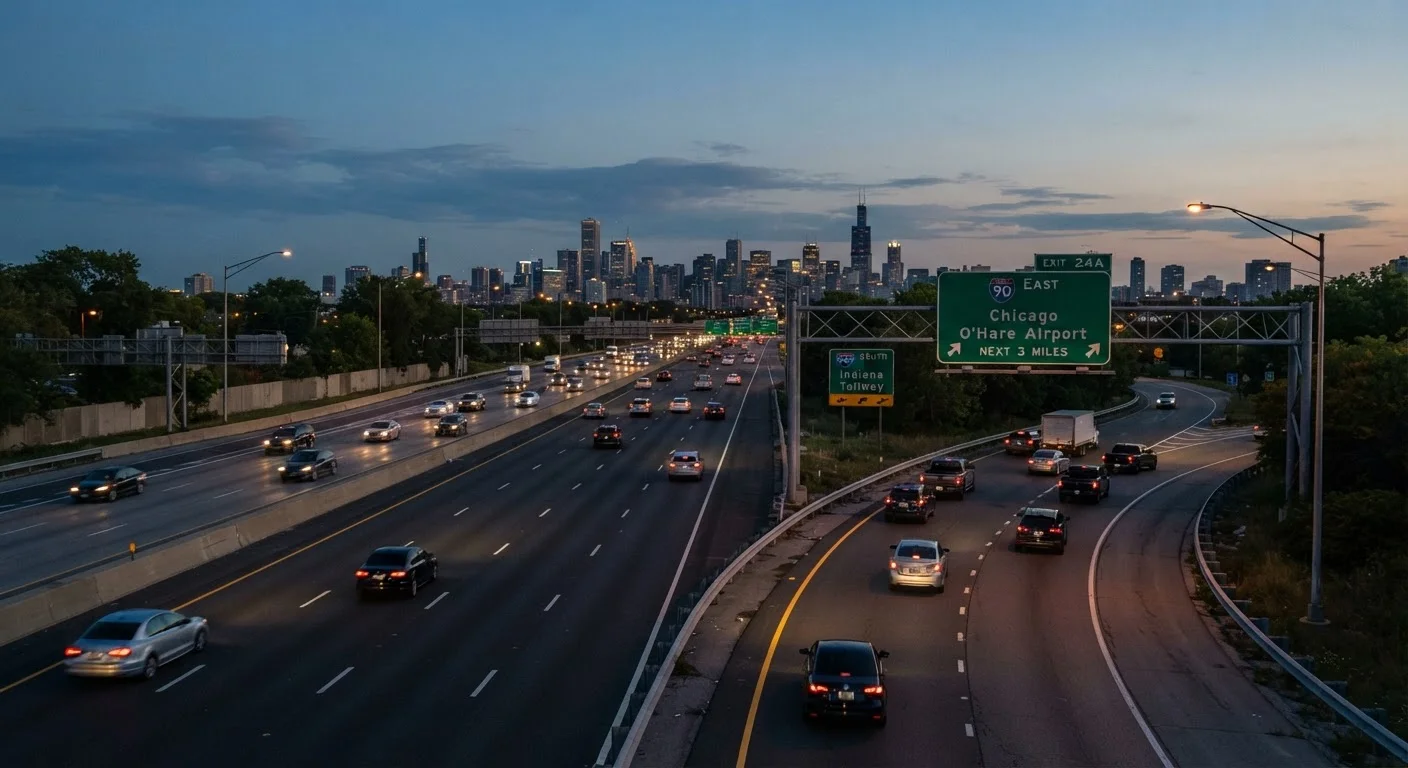
Photo: ConfiReads.com | Blogs For Inquisitive Minds editorial
Key Takeaways
- Match highway traffic speed on the on-ramp before merging - never stop at the end of a ramp.
- Signal at least three seconds before any lane change and check mirrors plus blind spots every time.
- Maintain a minimum two-second following gap; increase it in poor visibility or heavy traffic.
- Zipper merging - taking turns at a merge point - is the safest and most efficient method.
- Lane changes should be deliberate and one at a time, never diagonal drifts across multiple lanes.
Why Merging Goes Wrong
Improper merging and unsafe lane changes are among the most preventable causes of freeway crashes in the United States. The core problem is almost always one of the same three errors: failing to match traffic speed, neglecting mirrors and blind spots, or telegraphing intention too late for surrounding drivers to react.
Highway driving feels routine, which is part of the danger. As detailed in our guide on overconfidence at the wheel, experienced drivers are especially prone to skipping the deliberate checks that keep merges safe. Understanding the mechanics behind the maneuver is the first step toward doing it consistently well.
~300,000
Annual U.S. lane-change crashes
The Federal Highway Administration has estimated that improper lane changes contribute to hundreds of thousands of crashes each year on American roads.
~40%
Work-zone crashes at merge points
Research cited by transportation safety agencies indicates a significant share of construction-zone collisions occur at or near lane-merge points.
The Mechanics of a Safe Freeway Entry
The on-ramp exists for one purpose: to let you accelerate to highway speed before you join moving traffic. Treat it as a runway, not a waiting area. Here is the correct sequence:
- Accelerate firmly along the full length of the ramp so your speed matches or closely approaches the flow of highway traffic.
- Signal early - activate your turn signal while still on the ramp, giving highway drivers time to adjust.
- Scan actively - check your left mirror, then the left blind spot with a shoulder glance, while tracking the road ahead.
- Identify your gap - you need roughly a four-second space in the target lane at highway speed. A gap that looks large from the ramp shrinks quickly.
- Merge smoothly - steer into the lane with a steady, predictable path. Avoid abrupt cuts.
If no gap is available and the ramp is ending, it is legal in most states to briefly slow - but never stop on a live on-ramp unless absolutely forced to. Stopping creates a severe rear-end hazard for drivers behind you.
Use the Full Length of the Ramp
Best Practices for Lane Changes on the Highway
Signal before you check, not after - commit to the intention early.
Change one lane at a time, with a pause between each move.
Maintain a two-second minimum following gap and expand it during merges.
Adjust your mirrors to eliminate as much blind-spot overlap as possible before driving.
Slow down before changing lanes if traffic ahead is unpredictable or dense.
For more on how road conditions affect your ability to execute these maneuvers, see our companion guide on adjusting your drive for every surface. Reduced traction changes braking distances and the room you need to merge safely.
Zipper Merging and Lane-Drop Situations
When a lane is closing ahead - due to construction, an accident, or a lane drop - many drivers instinctively move over as soon as they see the warning signs. Traffic research consistently shows that using both lanes until the merge point, then alternating turns (the "zipper" method), reduces backup length and moves traffic through faster than early single-file queuing.
Zipper Merging Is Not Cutting in Line
In a zipper merge, the unwritten rule is simple: one car from the closing lane, one car from the continuing lane, repeat. Blocking vehicles from using the closing lane until the last moment is both legal and beneficial in most U.S. states - though check your state's specific guidance, as signage and law can vary.
Right-of-Way and the Legal Picture
On the highway, merging drivers generally yield to traffic already in the travel lane - the vehicle on the ramp does not automatically have the right of way. However, many states impose a corresponding duty on highway drivers to facilitate safe merges where practical, meaning aggressive blocking is also problematic legally and ethically.
Understanding right-of-way at a deeper level is worth the effort. Our article on right-of-way rules most drivers get wrong covers the nuances that trip up even experienced drivers. Pair that knowledge with the broader context available in Road Safety From Every Angle, our complete reference for American drivers.
This article is for general driver education purposes only. Traffic laws vary by state. Always consult your state's driver handbook and a qualified driving instructor for guidance specific to your situation.
The content on this site is for informational purposes only and is not a substitute for professional advice. Always consult a qualified professional for guidance specific to your situation.