
Beauty Basics

Retinol, Niacinamide, Vitamin C, and AHAs: Pairing Actives Without Irritating Your Skin

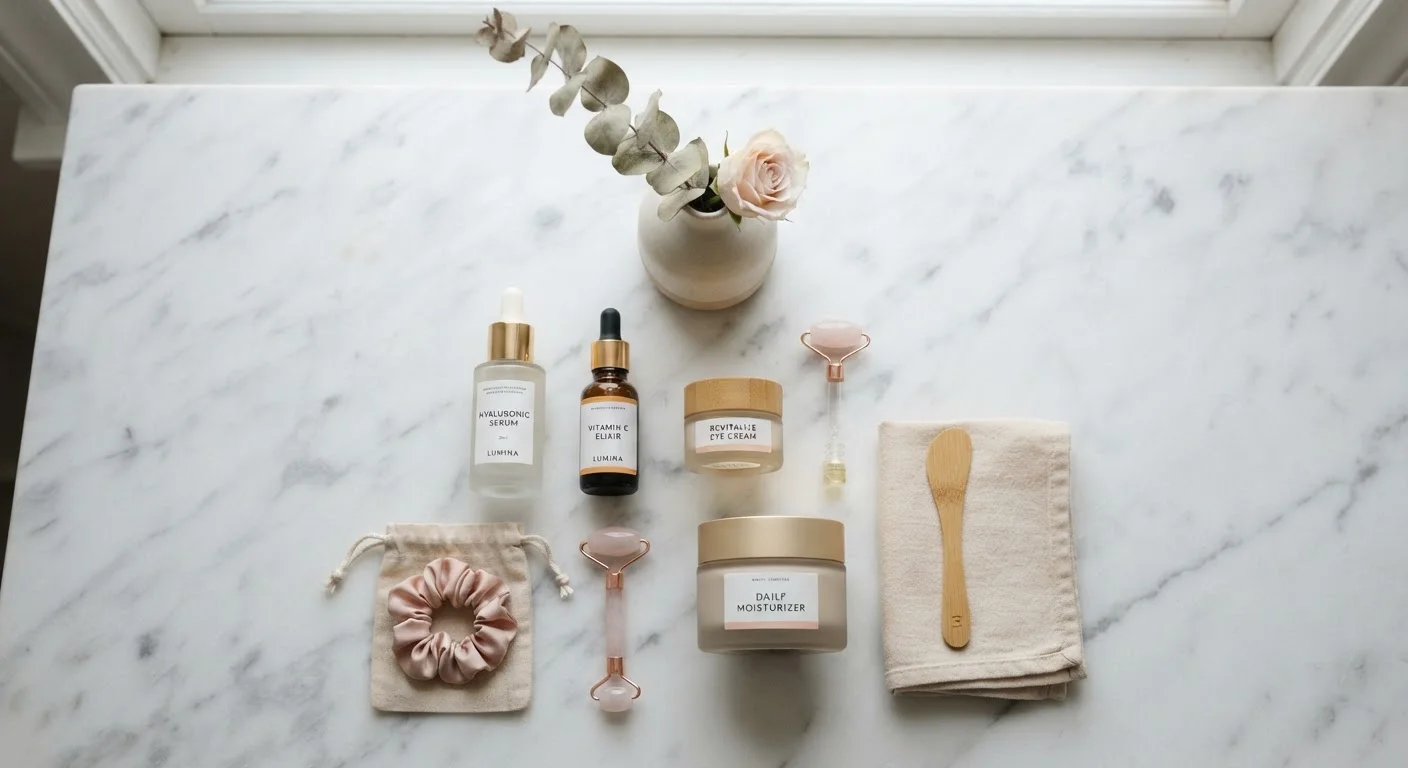
Retinol, Niacinamide, Vitamin C, and AHAs: Pairing Actives Without Irritating Your Skin

Photo: ConfiReads.com | Blogs For Inquisitive Minds editorial

Some ingredients amplify each other; others cause irritation when combined. Learn which skincare actives play well together and which to keep apart.

Key Takeaways

  • Retinol and AHAs should not be used together in the same routine — alternate nights instead.
  • Niacinamide is one of the most compatible actives and pairs well with nearly every ingredient.
  • Vitamin C works best in the morning; retinol belongs firmly in your nighttime routine.
  • pH levels matter: acidic actives like vitamin C and AHAs can destabilize each other when layered.
  • Introduce one new active at a time to identify irritation triggers before adding more.

Why Mixing Actives Requires Strategy

Skincare serums and treatments have never been more potent — or more plentiful. Retinol, niacinamide, vitamin C, and alpha hydroxy acids (AHAs) each deliver real, research-backed benefits on their own. But stack the wrong ones together and you can end up with a red, flaky, or sensitized face instead of a glowing one.

The challenge isn't that these ingredients are inherently dangerous. It's that some combinations compete at the skin's surface — disrupting pH levels, accelerating cell turnover too aggressively, or simply overwhelming the skin barrier. Understanding a few core principles makes the whole thing much less intimidating.

It's also worth noting that individual skin types respond differently. What causes irritation for someone with dry or sensitive skin may be perfectly tolerable for someone with oilier, more resilient skin. When in doubt, consult a board-certified dermatologist before overhauling your routine. Common skincare myths — like the belief that stinging always signals effectiveness — can make it hard to tell the difference between productive skin response and actual damage.

A Note on Formulation Matters

Not all versions of an ingredient behave the same way. A 0.025% retinol in a moisturizing base is very different from a 1% retinol in an alcohol-forward serum. Similarly, a 5% AHA in a leave-on cream behaves differently than a 30% salon-grade peel. Always check the concentration and formulation of your specific products, and when possible, start at the lower end of the concentration range.

Best Practices for Pairing Skincare Actives

These evidence-informed guidelines will help you build a smarter, skin-friendlier routine.

1

Keep retinol and AHAs on separate nights, never the same routine.

Both ingredients increase cell turnover and temporarily compromise the skin barrier. Using them together significantly raises the risk of irritation, redness, and excessive peeling — and provides no additional benefit over alternating them. Spacing them out lets your skin recover between uses.
Example: Use a glycolic acid toner on Monday, Wednesday, and Friday evenings; apply retinol serum on Tuesday, Thursday, and Saturday nights.
2

Apply vitamin C in the morning and retinol strictly at night.

Vitamin C (ascorbic acid) is a powerful antioxidant that helps neutralize free radicals from UV and pollution exposure — making it a natural morning ingredient. Retinol, on the other hand, is photosensitive and degrades in sunlight. Separating them by time of day maximizes both and avoids unnecessary conflict.
Example: After cleansing in the morning, apply a vitamin C serum, follow with moisturizer, and finish with SPF 30 or higher. At night, apply retinol after a gentle cleanser.
3

Use niacinamide as your go-to pairing partner for almost any active.

Niacinamide (vitamin B3) is remarkably well-tolerated and works at a neutral pH, making it compatible with retinol, AHAs, and even most vitamin C formulations. It also helps reinforce the skin barrier, which is especially helpful when you're using more aggressive actives that may cause sensitivity.
Example: Layer a niacinamide serum before your retinol at night to help buffer potential irritation — particularly useful for retinol beginners.
4

Avoid layering vitamin C directly with AHAs in the same step.

Both are acidic, and stacking them can over-acidify the skin's surface, increasing sensitization risk without compounding benefits. While some formulations are designed to combine them, DIY layering with separate products is unpredictable and often counterproductive.
Example: If your morning routine includes a vitamin C serum, skip the AHA toner until your evening routine — and even then, not on retinol nights.
5

Introduce only one new active at a time, waiting at least two weeks before adding another.

Introducing multiple actives simultaneously makes it nearly impossible to identify which ingredient is causing a reaction if irritation develops. A slow, methodical approach protects your barrier and gives you clear, useful feedback about what your skin can handle.
Example: Start niacinamide for two weeks, confirm your skin is happy, then introduce retinol at a low concentration before considering AHAs.
6

Always apply SPF during the day when using AHAs or retinol in your routine.

Both AHAs and retinol increase photosensitivity by accelerating the shedding of the outermost skin cells, leaving newer, more vulnerable skin exposed. Skipping sunscreen while using these actives can worsen hyperpigmentation and increase UV damage — the opposite of the goal.
Example: Make a broad-spectrum SPF 30+ (or higher) the non-negotiable final step in your morning routine on any day you've used an AHA or retinol the night before.

Quick Wins: Start Pairing Smarter Today

Ready to reconfigure your shelf? Here are the fastest, most impactful changes you can make right now.

high Swap your morning AHA toner to your evening routine and replace it with a vitamin C serum in the AM — starting tonight.
medium Add a niacinamide serum to your current routine as a buffer before your retinol application.
medium Write down which actives you currently use and on which days — a simple weekly schedule prevents accidental stacking.
high Put your SPF front and center on your bathroom shelf as a visual reminder to never skip it while using exfoliating actives.

The Big Picture: Patience Pays Off

Building an active-forward routine is genuinely exciting — these ingredients can improve texture, tone, and resilience over time. But skin doesn't transform overnight, and layering more actives doesn't speed up results. Dermatologists consistently emphasize that consistency with fewer, well-chosen ingredients outperforms an overstuffed routine every time.

“The skin barrier is your most important asset. When actives disrupt it, all the benefits you're chasing get undermined. Less is often genuinely more.”

— Dr. Whitney Bowe, Board-certified dermatologist and author on skin health

Give each new addition four to six weeks before judging its impact. Track any redness, peeling, or tightness in a simple notes app — it helps you identify the culprit quickly if something goes wrong. And remember: a stripped or irritated barrier needs rest and barrier-supporting basics (gentle cleanser, moisturizer, SPF) before it's ready for actives again.

This article is for informational and educational purposes only and does not constitute medical or dermatological advice. Consult a qualified skincare professional for guidance tailored to your skin's specific needs.

Style & Beauty Editorial Team

ConfiReads.com | Blogs For Inquisitive Minds

Style & Beauty Editorial Team is the collective byline for our editorial team and contributor network. Articles published under this byline or an editorial pen name are researched, written, and reviewed according to our editorial standards for clarity, consistency, and independence before publication.

Everyday FashionBeauty Basics
View author profile

The content on this site is for informational purposes only and is not a substitute for professional advice. Always consult a qualified professional for guidance specific to your situation.