
Why Investors Abandon Their Portfolios at the Worst Possible Moments

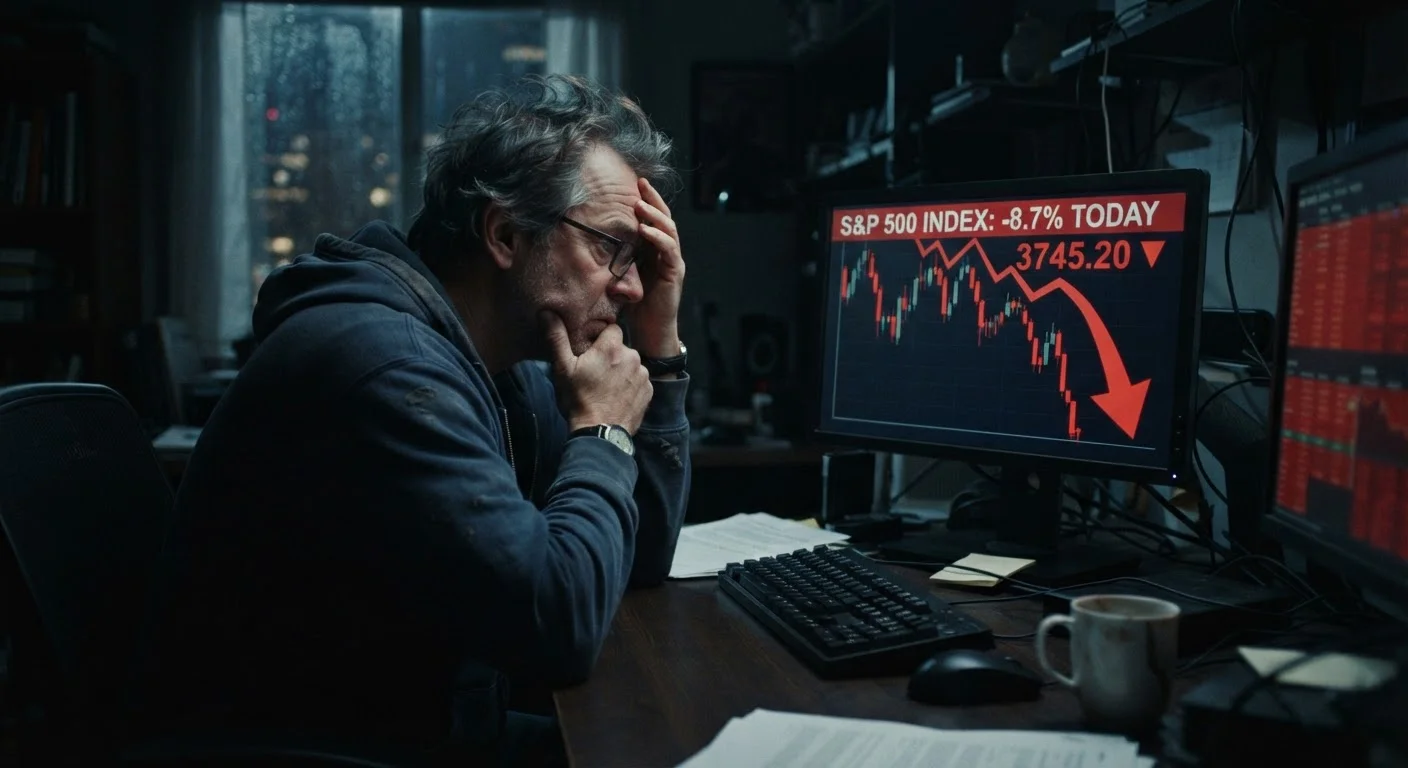
Photo: ConfiReads.com | Blogs For Inquisitive Minds editorial
Key Takeaways
- Panic selling during downturns locks in losses that market recoveries would otherwise reverse over time.
- Behavioral biases - not ignorance - are the primary driver of poor investment timing decisions.
- Automating contributions and setting rules in advance reduces the risk of emotional decision-making.
- Having a separate emergency fund prevents investors from raiding portfolios when life gets expensive.
- Reviewing a written investment plan during volatility is more effective than relying on willpower alone.
The Behavior Gap: Why Smart People Make Costly Timing Mistakes
Market downturns do not destroy most investors' wealth - their reactions to downturns do. Financial researchers have long documented a persistent gap between what broad market indexes return and what the average individual investor actually earns. The difference is almost entirely explained by behavior: selling low, buying high, and sitting on the sidelines at the wrong moments.
This is not a failure of intelligence. It is a failure of emotional architecture. Human brains evolved to avoid threats quickly, not to hold equities patiently through a 35% drawdown. Understanding which specific mistakes trigger portfolio abandonment - and why they feel so rational in the moment - is the first step toward avoiding them.
If you are new to navigating these dynamics, a solid grounding in investing fundamentals can help establish the mental framework that makes staying the course easier when volatility arrives.
Selling investments the moment the market drops sharply, converting temporary paper losses into permanent realized losses.
Watching portfolio balances daily and treating normal short-term fluctuations as meaningful signals.
Waiting for the market to 'calm down' before reinvesting cash that was pulled out during a downturn.
Investing money that should be kept as an emergency fund, then being forced to sell at a loss when unexpected expenses arise.
Abandoning a diversified strategy to pile into a single sector or asset class that recently outperformed.
Building a Plan That Survives Market Stress
The most effective protection against panic selling is not market knowledge - it is preparation. Investors who have a written plan that explicitly addresses what they will do during a downturn are far better equipped to act on that plan than those who rely on in-the-moment judgment.
Selling Locks In Losses Permanently
A durable plan includes your target asset allocation, a rebalancing schedule, and a pre-committed response to significant drops - such as not selling unless your circumstances have materially changed, not unless prices have. It also means separating accounts by purpose. Money earmarked for investing should not be money you might need within the next year or two.
~2%
Annual return gap: average investor vs. market index
Morningstar's "Mind the Gap" research series has repeatedly found that the average fund investor earns meaningfully less than the funds they hold, primarily due to poorly timed purchases and redemptions.
Top 10 days
Missing the best trading days devastates returns
Multiple long-term market analyses have shown that missing just the 10 best trading days in a decade can cut total returns roughly in half compared to staying fully invested throughout.
It is also worth examining what beliefs you hold about investing itself. Common investing myths - such as the idea that markets are too unpredictable to participate in - can quietly justify the impulse to exit when things get uncomfortable. A plan grounded in evidence, not fear, is the most reliable long-term strategy. For broader financial stability, revisiting how spending and saving habits interact with your investment decisions is equally important - many of the same behavioral traps that affect budgeting show up in investing.
This article is for general informational and educational purposes only and does not constitute personalized financial or investment advice. All investing involves risk, including the possible loss of principal. Past market performance does not guarantee future results. Consult a qualified, licensed financial professional before making decisions about your own investment strategy.
The content on this site is for informational purposes only and is not a substitute for professional advice. Always consult a qualified professional for guidance specific to your situation.