
Dwelling Coverage, Personal Property, and Loss of Use: The Three Pillars of a Home Policy

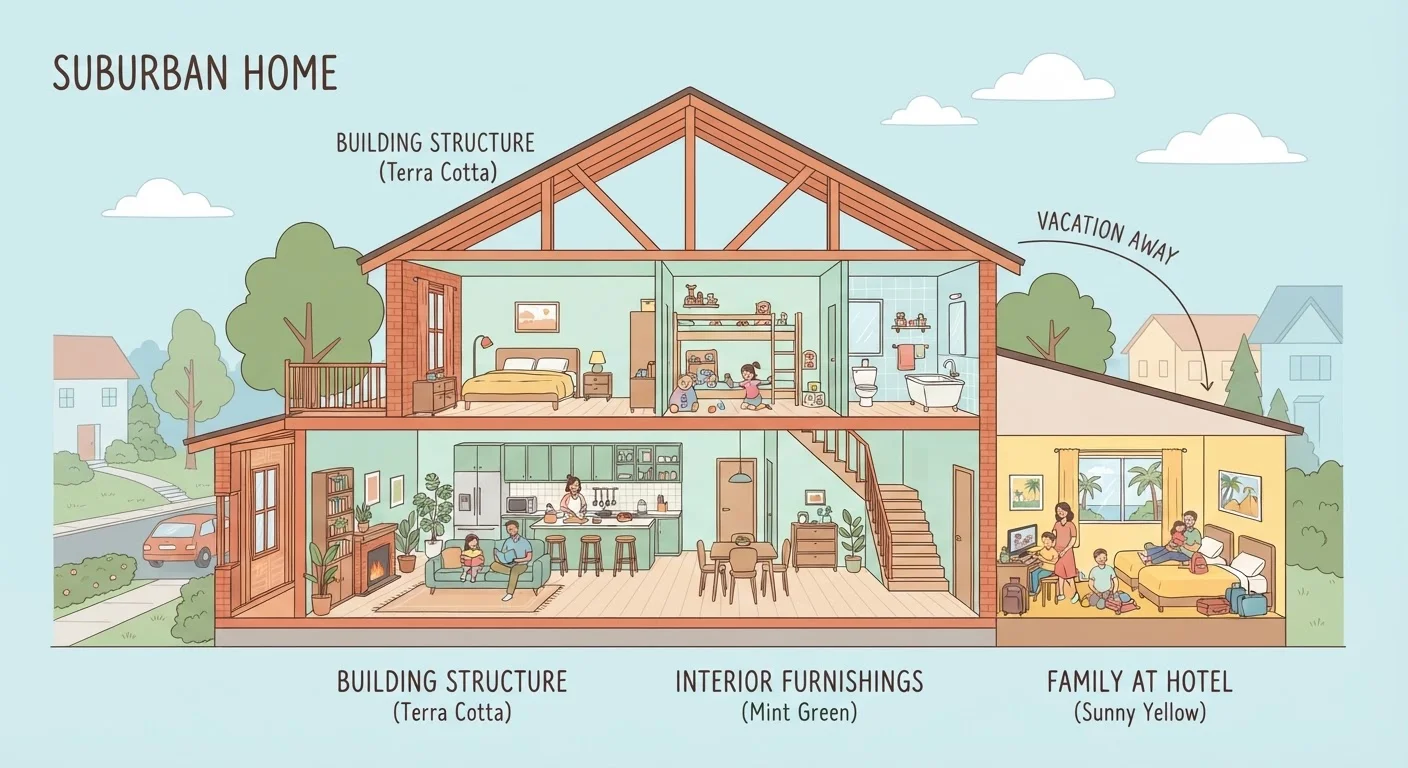
Photo: ConfiReads.com | Blogs For Inquisitive Minds editorial
Key Takeaways
- Dwelling coverage pays to repair or rebuild the physical structure of your home after a covered loss.
- Personal property coverage protects your furniture, clothing, and electronics - but special items like jewelry often have sub-limits.
- Loss of use coverage pays for hotel stays and meals when a covered disaster makes your home temporarily uninhabitable.
- Each pillar has a separate coverage limit; underinsuring any one of them can leave you with an out-of-pocket gap.
- Standard policies do not cover floods or earthquakes - those require separate policies.
Coverage A: Dwelling - Protecting the Structure Itself
When a covered disaster - a house fire, a windstorm, a burst pipe - damages your home, dwelling coverage is what pays to fix or rebuild it. This pillar covers the physical structure: walls, roof, foundation, floors, ceilings, built-in appliances, and structures attached to the house such as an attached garage or a built-in deck.
The most important number here is your dwelling limit. It should reflect what it would cost to rebuild your home from scratch at current labor and material prices - not what you paid for the home and not its current market value. Those figures can be very different. A home in a hot real estate market might sell for $500,000 but cost only $280,000 to rebuild; insuring to market value would mean overpaying. Conversely, a home in a flat market could cost far more to rebuild than its sale price suggests.
Most standard HO-3 policies cover the dwelling on an open-peril basis, meaning damage is covered unless the policy specifically excludes it. Common exclusions include flooding, earthquakes, and gradual deterioration. If you live in a flood zone, you will need a separate flood policy - standard homeowners coverage will not step in. See where standard policies commonly fall short for a broader look at exclusions worth knowing about.
Match Your Dwelling Limit to Rebuild Cost
Coverage C: Personal Property - What's Inside Your Home
Your home is more than its walls. The furniture, clothing, electronics, kitchenware, and everything else you own inside it are covered under the personal property pillar - Coverage C. This coverage also typically follows your belongings outside the home, such as a laptop stolen from your car or luggage lost during travel.
There are two important nuances every homeowner should understand here.
First, sub-limits. Most policies cap payouts on specific high-value categories regardless of your overall personal property limit. Jewelry is commonly capped at $1,500 for theft. Fine art, firearms, silverware, and collectibles often have their own caps. If you own items that exceed these limits, you can purchase a scheduled personal property endorsement - essentially a rider that insures specific high-value items for their appraised value.
Second, replacement cost vs. actual cash value (ACV). A policy paying ACV will deduct depreciation. That five-year-old TV might pay out $150 even if a comparable replacement costs $600. Upgrading to replacement cost coverage on personal property typically costs more in premium but closes that gap significantly.
~64%
Homes estimated to be underinsured in the U.S.
CoreLogic has reported that a substantial majority of U.S. homes carry dwelling coverage below their actual rebuild cost, leaving owners exposed after a major loss.
$1,500
Typical jewelry theft sub-limit on standard policies
Most HO-3 policies cap theft reimbursement for jewelry at $1,000-$2,000 regardless of the item's actual value, making scheduled endorsements important for high-value pieces.
20%
Common loss of use limit as share of dwelling coverage
Insurers commonly set Coverage D at 20% of the dwelling limit, though this varies by insurer and policy type.
Doing a home inventory - even a simple video walkthrough of each room - makes it much easier to file an accurate claim and confirm you have adequate coverage. The Policy Essentials hub has additional guidance on reading and evaluating your policy documents.
Coverage D: Loss of Use - A Place to Stay While You Wait
If a covered loss makes your home uninhabitable - whether from fire damage, a collapsed roof, or severe smoke contamination - loss of use coverage pays for the additional living expenses you incur while repairs are underway. This typically includes hotel or rental costs, restaurant meals above what you would normally spend on groceries, laundry services, and similar costs.
Most policies set the loss of use limit at roughly 20% of your dwelling coverage amount. On a home insured for $300,000, that translates to $60,000 available for temporary housing and additional expenses. Coverage continues until your home is livable again or until the limit is exhausted, whichever comes first.
What loss of use does not cover is equally important to understand. It only activates for covered perils - if your home floods and you lack flood insurance, you generally cannot tap loss of use under a standard policy. It also covers additional expenses, not your normal baseline costs. If your mortgage payment continues while you are living in a hotel, the policy is not paying your mortgage - it is covering the incremental cost above what you would have spent anyway.
“Most homeowners are surprised to learn they have three separate coverage buckets - and that a shortfall in any one of them can mean thousands of dollars out of pocket after a claim.”
— Insurance Basics Editorial Team, Insurance consumer education editors
Understanding all three pillars together gives you a clearer picture of what you actually own when you hold a homeowners policy. For a broader comparison of coverage types, the major insurance coverage types every American should know is a useful starting point. And if you are wondering whether your current limits are adequate, signs your policy may not protect you as well as you think walks through the warning flags worth checking.
This article is for general informational purposes only and does not constitute personalized insurance, financial, or legal advice. Coverage terms, limits, exclusions, and eligibility vary by policy and insurer. Always read your policy documents carefully and consult a licensed insurance agent or adviser for guidance specific to your situation.
Frequently Asked Questions
The content on this site is for informational purposes only and is not a substitute for professional advice. Always consult a qualified professional for guidance specific to your situation.