
Collision and Comprehensive Auto Coverage: When You Need Both

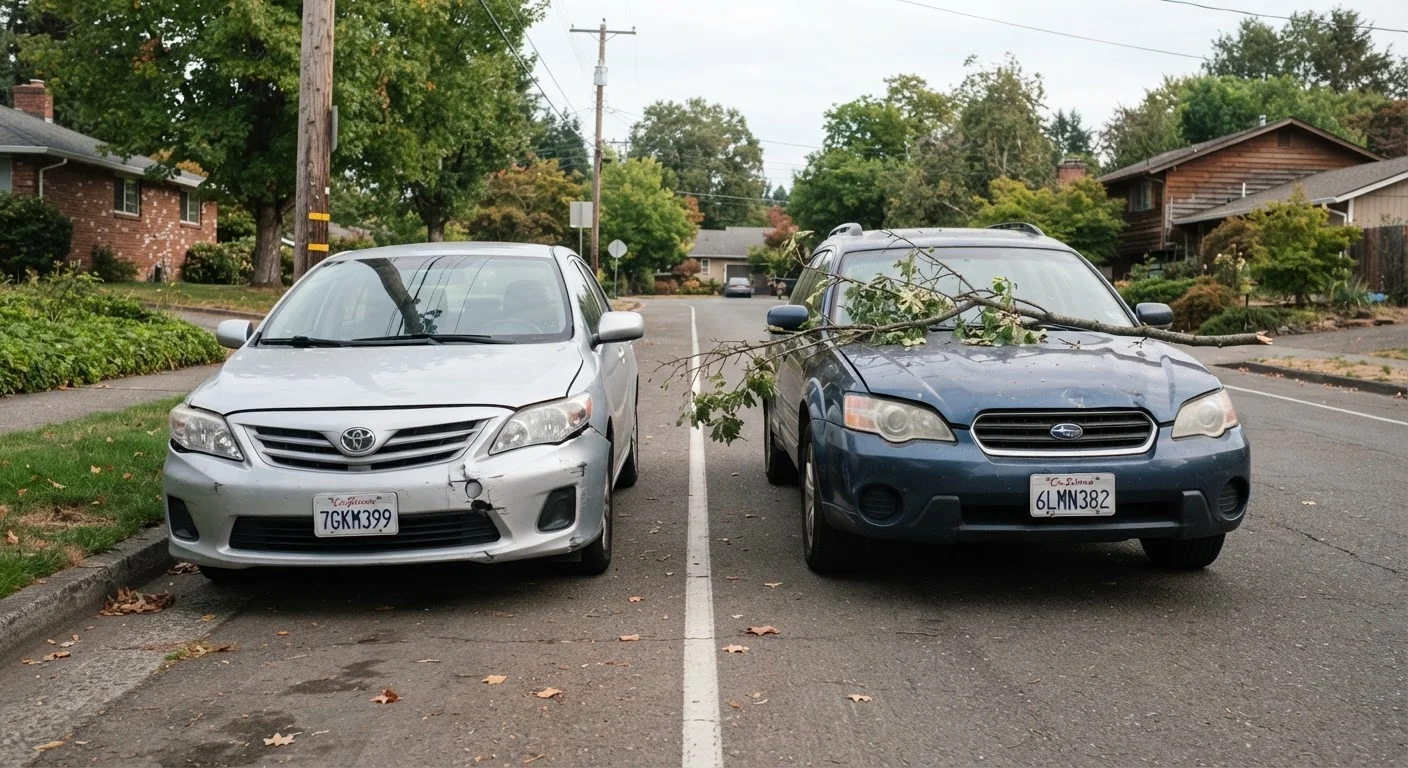
Photo: ConfiReads.com | Blogs For Inquisitive Minds editorial
Key Takeaways
- Collision pays for damage when your car crashes into another vehicle or object, regardless of fault.
- Comprehensive covers non-collision losses like theft, hail, floods, fire, and animal strikes.
- Neither coverage is legally required in any US state, but lenders typically require both on financed vehicles.
- Your car's actual cash value and your deductible together determine whether carrying each coverage makes financial sense.
- Dropping both on an older, low-value vehicle may save money, but leaves you fully exposed to repair or replacement costs.
What Each Coverage Actually Does
Auto insurance is a bundle of separate coverages, and collision and comprehensive are two of the most commonly misunderstood. They are sold together so often that many drivers assume they're the same thing - they're not.
Collision coverage pays to repair or replace your vehicle when it's damaged in an accident involving another car or a stationary object - think a guardrail, a telephone pole, or another vehicle in a parking lot. It applies whether you caused the crash or the other driver did. If the other driver is at fault and insured, their liability coverage may ultimately pay, but collision steps in quickly so you aren't waiting on the other insurer to settle.
Comprehensive coverage - sometimes called "other than collision" - covers damage from events outside a typical crash. That includes theft, vandalism, fire, falling objects, hail, floods, and collisions with animals (such as a deer strike). If a tree falls on your car or it gets stolen from your driveway, comprehensive is the coverage doing the work.
For a broader look at how these fit alongside your other policies, see the major insurance coverage types every American should know.
| Criterion | Collision Coverage | Comprehensive Coverage |
|---|---|---|
| What triggers a claim | Crash with vehicle or object | Theft, weather, fire, animals, vandalism |
| Fault requirement | Pays regardless of fault | No fault concept - event-based |
| Legally required | No US state requires it | No US state requires it |
| Lender/lessor requirement | Usually required | Usually required |
| Deductible applies | Yes | Yes (sometimes waived for glass) |
| Payout basis | Actual cash value | Actual cash value |
| Typical annual cost | Higher premium | Generally lower premium |
How Deductibles and Payouts Work
Both collision and comprehensive come with a deductible - the dollar amount you pay out of pocket before your insurer pays the rest. Common deductible amounts range from $250 to $1,500. The higher your deductible, the lower your premium, and vice versa.
When you file a claim, your insurer pays the actual cash value (ACV) of the repair or vehicle replacement, minus your deductible. ACV reflects your vehicle's market value at the time of the loss - not what you paid for it or what it would cost to buy new. Depreciation reduces ACV over time, which matters when you're deciding whether each coverage is worth its annual cost.
A simple way to think about it: if your car is worth $4,000 and you have a $1,000 deductible, the maximum you'd receive in a total-loss claim is $3,000. If the combined annual premium for both coverages is $900, you're paying nearly a third of the potential payout just to maintain the coverage each year. That math gets less favorable as the vehicle ages.
~$290
Average annual comprehensive premium (US)
According to the National Association of Insurance Commissioners (NAIC), the average expenditure for comprehensive coverage is roughly $290 per year, though actual costs vary widely by state and driver profile.
~$555
Average annual collision premium (US)
NAIC data indicates collision coverage typically costs drivers significantly more than comprehensive, reflecting the higher frequency of crash-related claims.
Understanding how claim payments are calculated can help you avoid surprises. The common misunderstandings about what insurance actually covers article walks through several ACV-related misconceptions that catch drivers off guard.
When Carrying Both Makes Sense - and When It Doesn't
The clearest case for carrying both coverages is a financed or leased vehicle. Virtually all auto lenders and leasing companies require collision and comprehensive as a condition of your agreement. If your coverage lapses, the lender can purchase what's called "force-placed" insurance on your behalf - which is nearly always more expensive and less protective than a policy you'd choose yourself.
Beyond lender requirements, the decision comes down to your vehicle's value, your savings cushion, and your risk tolerance. Drivers with newer or higher-value vehicles, limited emergency savings, or who live in areas with elevated theft, hail, or flood risk generally benefit most from maintaining both. Drivers with paid-off older vehicles may find that dropping one or both coverages - and self-insuring through savings - is the more cost-effective approach.
Keep in mind that dropping collision and comprehensive doesn't eliminate all your exposure. You'd still be responsible for the full cost of repairs or replacement if you cause a crash or your car is stolen. For more on where standard policies fall short, see insurance coverage gaps most people don't realize they have.
This article provides general insurance information for educational purposes only and is not personalized financial, legal, or insurance advice. Coverage terms, exclusions, and costs vary by insurer, policy, and state. Read your actual policy documents and consult a licensed insurance agent or adviser before making coverage decisions.
Gap Insurance Is a Separate Product
The content on this site is for informational purposes only and is not a substitute for professional advice. Always consult a qualified professional for guidance specific to your situation.