
The Real Reason Your Energy Bills Spike Every Winter

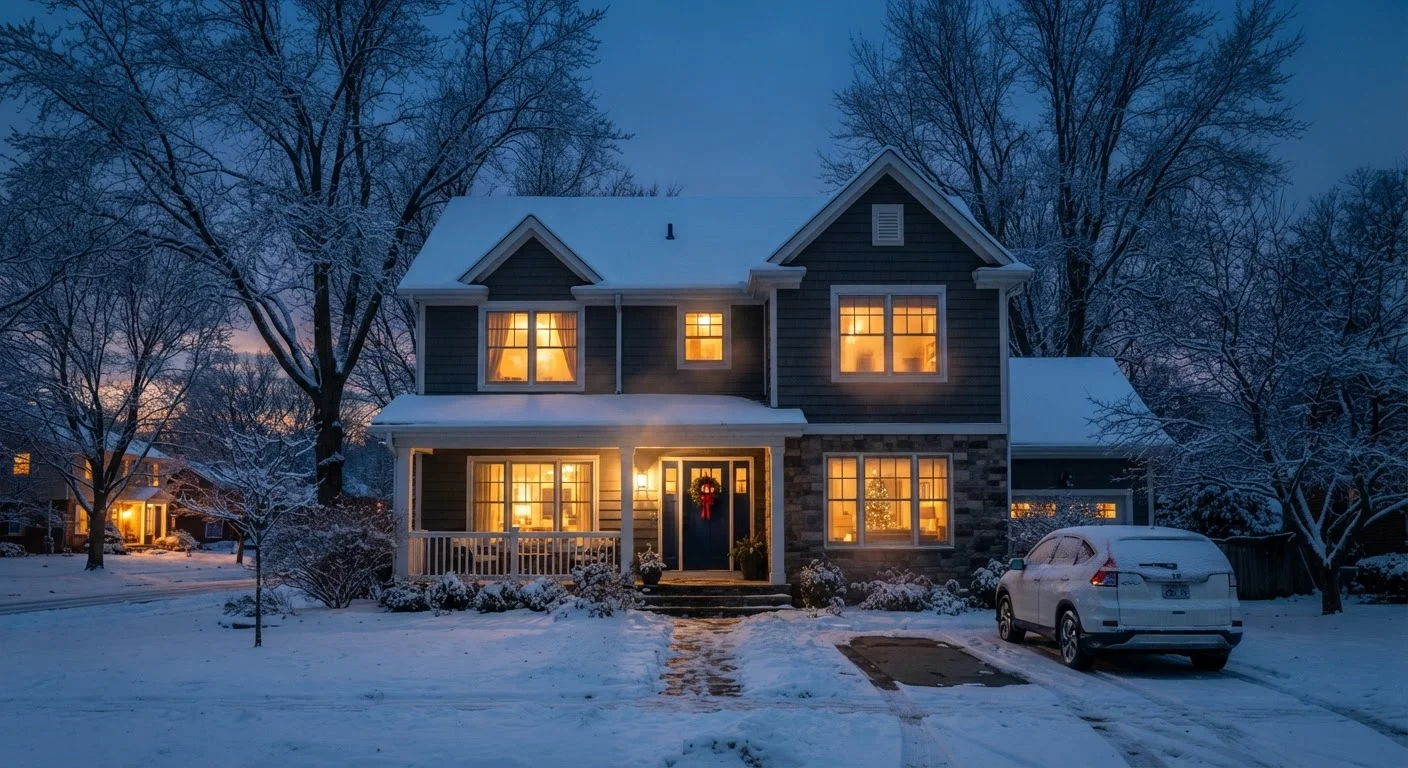
Photo: ConfiReads.com | Blogs For Inquisitive Minds editorial
Key Takeaways
- Air leaks around doors, windows, and attic hatches are among the biggest drivers of heat loss.
- Thermostat habits - like cranking the heat after coming home - can quietly add significant cost.
- Dirty furnace filters and unmaintained HVAC systems work harder and cost more to run.
- Small, overlooked gaps (electrical outlets, baseboards, pipe penetrations) compound heating losses.
- Addressing a few key problem areas can meaningfully reduce winter energy bills.
Why Winter Bills Climb Higher Than They Should
Every winter, millions of American households see their energy bills climb - and most assume it's simply the price of staying warm. But the cold itself is rarely the whole story. The bigger culprits are typically a handful of fixable mistakes: unaddressed air leaks, poor thermostat habits, and heating equipment that's working harder than it should.
Understanding where heat is actually escaping - and which habits are quietly running up the tab - puts you back in control. The mistakes below are the most common ones, and each one has a practical fix.
Ignoring air leaks around doors, windows, and attic hatches.
Cranking the thermostat up after coming home from work to warm the house faster.
Running the furnace with a clogged or overdue filter.
Leaving heat running in unused rooms with closed vents.
Overlooking small but compounding gaps - electrical outlets, baseboards, and pipe penetrations.
What You Can Do Starting This Season
Most of the fixes for high winter heating costs don't require major renovations. A tube of caulk, a programmable thermostat, and a new furnace filter can address several of these mistakes in a single weekend. For bigger improvements like attic insulation or duct sealing, consider consulting a qualified energy auditor - many utility companies offer free or subsidized home energy audits that identify exactly where your home is losing the most heat.
Duct Leaks Can Offset All Your Other Efforts
Tracking your energy use month-over-month is also a simple habit worth starting. Most utility providers offer online dashboards that let you compare your usage to similar homes in your area. If your bill is consistently higher, that's a useful signal that one or more of these mistakes may be at play.
For a full room-by-room approach to sealing your home, see our complete guide to weatherproofing an American home. And if you're building better household budget habits alongside these changes, the Budgeting Basics hub offers practical strategies for tracking home expenses over time.
This article is for general informational purposes only. For personalized energy efficiency assessments, consult a licensed home energy professional or contact your local utility provider.
The content on this site is for informational purposes only and is not a substitute for professional advice. Always consult a qualified professional for guidance specific to your situation.