
Grout, Caulk, and Sealant: Knowing Which One Belongs Where

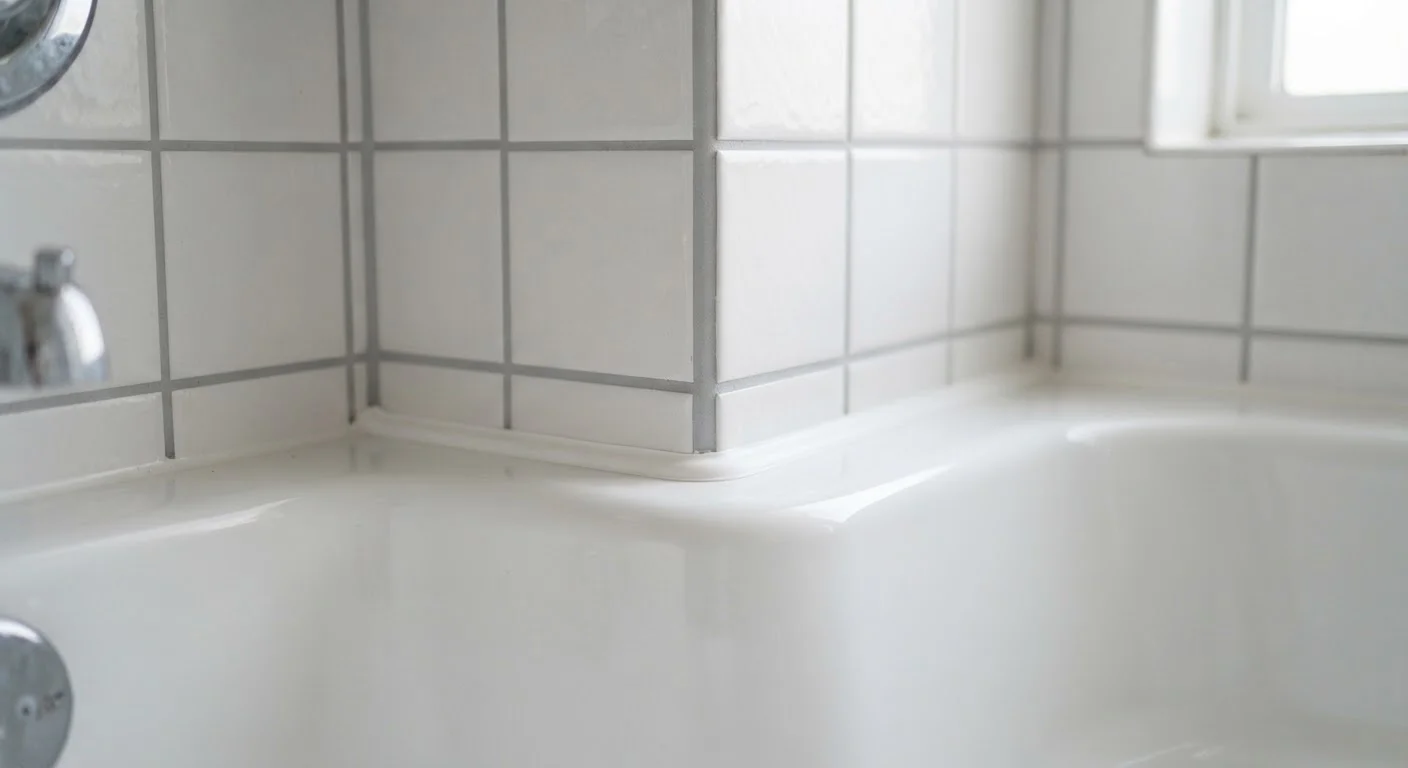
Photo: ConfiReads.com | Blogs For Inquisitive Minds editorial
Why Mixing These Up Is a Common and Costly Mistake
Walk into any hardware store and you'll find grout, caulk, and sealant sitting inches apart on the same shelf. They're all used to fill gaps or protect surfaces - so homeowners often grab whichever is handy. The problem is that each material has a specific job, and using the wrong one in the wrong place leads to cracking, mold, and repairs that cost far more than the original tube.
Think of it this way: grout is rigid and best for filling the spaces between tiles on a flat, stable surface. Caulk is flexible and meant for joints where two surfaces meet at an angle or where movement is expected. Sealant is a protective coating applied over a porous surface to repel moisture or stains. Overlapping any of these roles creates failure points.
This guide breaks down where each material belongs - and where it doesn't - so you can make the right call before you start the job. For a broader view of home upkeep decisions like this, see our seasonal home maintenance checklist.
| Grout type for joints > 1/8" | Sanded grout |
| Grout type for narrow or delicate tile joints | Unsanded grout |
| Best caulk for wet areas (tubs, showers) | 100% silicone caulk |
| Wait time before sealing new grout | 48-72 hours after curing |
| Does glazed tile need sealant? | No - glaze is already non-porous |
| Corner joints between tile planes | Always use caulk, not grout |
Grout: The Rigid Filler Between Tiles
Grout fills the gaps between tiles - whether on a floor, wall, backsplash, or countertop. It comes in two main types: sanded grout, used for joints wider than 1/8 inch, and unsanded grout, used for narrower joints and on delicate tile like polished marble where sand could scratch the surface.
Grout is cement-based, meaning it cures hard and is not designed to flex. That's exactly what you want between two stable tiles on a flat plane. But because it's rigid, grout will crack if used in a corner joint or any place where two surfaces meet at a change of plane - like where a tile wall meets a tile floor. Movement between those two planes will always break a rigid fill.
Sanded grout
A cement-based grout mixed with fine sand particles, used to fill tile joints wider than 1/8 inch. The sand adds strength and reduces shrinkage as it cures.
Unsanded grout
A smoother, sand-free grout formulated for narrow tile joints (under 1/8 inch) and for use on surfaces that could be scratched by sand, such as polished stone or glass tile.
Silicone caulk
A fully waterproof, flexible sealant that resists mold and moisture, making it the go-to choice for wet areas like tubs, showers, and sinks. It cannot be painted over.
Latex (acrylic) caulk
A water-based, paintable caulk suitable for interior joints in lower-moisture areas such as baseboards and window trim. It cleans up with water but is less durable in consistently wet locations.
Grout sealer
A liquid product applied over cured grout to penetrate its pores and create a moisture and stain barrier. It does not fill gaps; it protects the surface of an existing material.
Change of plane
The point where two surfaces meet at an angle - such as where a wall tile meets a floor tile. This junction always requires flexible caulk rather than rigid grout.
Where grout belongs: Between tiles on floors, walls, countertops, and backsplashes - on flat, stable, same-plane surfaces.
Where grout does not belong: Corners, transitions between different surfaces, around fixtures like tubs or toilets, or anywhere that experiences expansion and contraction.
Caulk: The Flexible Seal for Joints and Transitions
Caulk is a flexible compound designed to seal joints where two surfaces meet, especially where movement occurs. A bathtub expands slightly when filled with hot water. A window frame shifts with temperature changes. A countertop edge meets a backsplash tile at a right angle. In all of these places, a rigid material like grout would crack within months. Caulk accommodates movement without failing.
The most common types for home use are silicone caulk - highly water-resistant and durable, ideal for wet areas - and latex (acrylic) caulk, which is paintable and easier to tool but less resistant to prolonged moisture. There are also siliconized latex blends that try to combine both properties.
Where caulk belongs: Around tubs, showers, sinks, and toilets; at the joint where tile meets a different surface; around window and door frames; along baseboards; anywhere two planes meet.
Where caulk does not belong: In between tiles as a substitute for grout - it won't hold up under foot traffic or heavy use, and most caulk colors don't match grout well over time. For a useful parallel on matching materials to the right application, see how paint finishes work the same way.
Matching Caulk Color to Your Grout
Sealant: The Protective Layer That Goes on Top
Sealant is often the most misunderstood of the three because it's not a filler at all - it's a coating. You apply sealant over a porous surface (like natural stone, unglazed ceramic tile, or cured grout) to protect it from moisture, stains, and grime. It soaks in or forms a film on top, creating a barrier.
Grout is naturally porous and will absorb water, cooking oils, and soap scum unless sealed. Most grout manufacturers and tile installers recommend sealing grout 48-72 hours after it has fully cured, and then resealing periodically depending on foot traffic and moisture exposure.
Where sealant belongs: Over cured grout joints, natural stone tile (marble, slate, travertine, granite), unglazed ceramic, and concrete surfaces exposed to moisture or stains.
Where sealant does not belong: Glazed ceramic or porcelain tile (the glaze is already non-porous), over uncured grout, or as a substitute for caulk or grout in a joint. Applying sealant to a glazed surface won't harm it, but it's wasted product - it has nothing to absorb into and will simply bead off.
If you're working through a larger home weatherproofing project, our complete weatherproofing guide covers how moisture sealing fits into a whole-home strategy.
48-72 hrs
Minimum cure time before sealing grout
Most grout manufacturers specify this window to ensure the material has fully hardened before a sealer is applied.
1/8"
Joint width threshold between sanded and unsanded grout
This is the standard industry guideline for selecting the appropriate grout type based on tile spacing.
1-3 years
Typical grout resealing interval in wet areas
High-moisture areas like showers may need resealing annually, while lower-traffic areas can go longer between applications.
The content on this site is for informational purposes only and is not a substitute for professional advice. Always consult a qualified professional for guidance specific to your situation.