
Why Blood Sugar Spikes and What Eating Patterns Influence Them

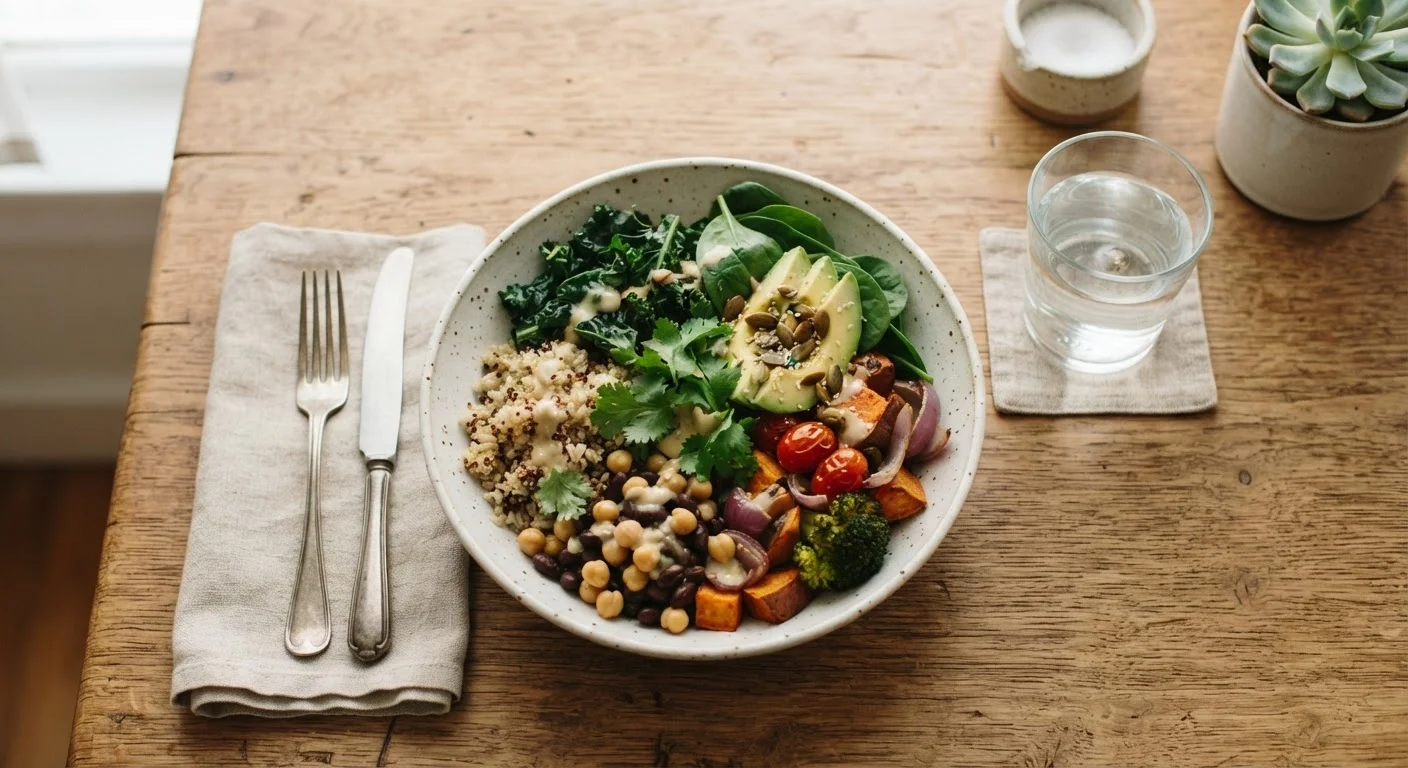
Photo: ConfiReads.com | Blogs For Inquisitive Minds editorial
Key Takeaways
- Blood sugar rises after eating carbohydrates - this is normal, but the size and speed of the rise matters.
- The glycemic index measures how quickly a food raises blood sugar, but portion size and food combinations matter just as much.
- Pairing carbohydrates with fiber, protein, or fat slows glucose absorption and flattens post-meal spikes.
- Eating order, meal timing, and physical activity after meals all influence blood sugar responses.
- Chronic large spikes are associated with increased metabolic risk, though individual responses vary widely.
How Blood Sugar Rises After a Meal
Every time you eat carbohydrates - whether a bowl of oatmeal, a piece of fruit, or a slice of bread - your digestive system converts those carbohydrates into glucose. That glucose enters the bloodstream, and your pancreas responds by releasing insulin, a hormone that signals cells to absorb the glucose for energy or storage.
The result is a temporary rise and fall in blood glucose: a postprandial (after-meal) curve. How steep and prolonged that curve is depends on several interacting factors, including what you ate, how much, and what else you consumed alongside it. This process is entirely normal. The body is designed to handle it. But when spikes are consistently large or blood glucose stays elevated for extended periods, this places ongoing demand on insulin-producing cells and is associated - over years - with increased risk for type 2 diabetes and cardiovascular issues.
~537M
Adults living with diabetes worldwide
According to the International Diabetes Federation's 2021 Diabetes Atlas, approximately 537 million adults had diabetes globally, underscoring the scale of glucose-related metabolic disease.
10-15 min
Post-meal walk duration shown to reduce glucose
Multiple studies, including a 2022 meta-analysis in Sports Medicine, found that short walks of 10-15 minutes after meals significantly lowered postprandial blood glucose compared to prolonged sitting.
The Glycemic Index: Useful, but Incomplete
The glycemic index (GI) ranks carbohydrate-containing foods on a scale from 0 to 100 based on how quickly they raise blood glucose compared to pure glucose. White bread and sugary cereals sit at the high end; lentils, most vegetables, and whole grains sit lower. It's a useful starting framework, but it has real limitations.
GI scores are measured in isolation - a single food, eaten without anything else - under standardized conditions. Real meals combine foods. Adding olive oil to pasta, or eating an apple with peanut butter, materially changes the glucose response compared to eating that food alone. The glycemic load (GL) attempts to correct for this by factoring in the actual amount of carbohydrate per serving, making it a more practical tool. Even so, individual blood sugar responses to identical foods vary considerably - influenced by gut microbiome composition, sleep, stress, and baseline metabolic health.
Individual Glucose Responses Vary Widely
Eating Patterns That Influence Glucose Stability
Beyond food type, the pattern of how you eat has a meaningful effect on blood sugar. Several well-studied strategies can help moderate post-meal glucose swings:
- Pair carbohydrates with fiber, protein, or fat. All three slow gastric emptying and reduce the rate at which glucose enters the bloodstream. A piece of whole-grain bread with avocado produces a different glucose response than the same bread eaten alone.
- Eat vegetables before starchy foods. Studies suggest that eating fiber-rich vegetables at the start of a meal, before consuming carbohydrates, can reduce peak post-meal glucose - an approach sometimes called "food sequencing" or "eating order."
- Watch portion sizes of high-carb foods. Glycemic load matters. Even a lower-GI food consumed in excess will raise blood sugar substantially.
- Move after eating. A brief walk after meals - even 10 to 15 minutes - is consistently shown to reduce postprandial glucose by encouraging muscles to take up glucose more efficiently.
- Be mindful of liquid calories. Sugary drinks, fruit juices, and sweetened coffees deliver glucose very rapidly, often producing sharper spikes than solid foods with similar carbohydrate content.
If you're trying to improve your overall diet quality, be aware of the common traps that can work against your efforts - our look at common eating pitfalls covers several patterns worth knowing about.
Build Balanced Meals Without Overthinking It
What This Means for Everyday Decisions
Blood sugar regulation is a normal bodily function - not something most people need to monitor minute-to-minute. For most healthy adults, focusing on broadly balanced meals that include fiber, adequate protein, and minimally processed carbohydrates is both practical and well-supported by evidence.
For people with diabetes, prediabetes, insulin resistance, or related conditions, blood sugar management becomes significantly more individualized. Targets, strategies, and monitoring needs vary by person and should be discussed with a qualified healthcare provider or registered dietitian - not derived from general articles like this one.
The core takeaway: blood sugar spikes are influenced by food quality, food combinations, portion size, eating order, timing, and activity - not just by whether a food is labeled "low sugar." Understanding these levers helps translate nutrition research into more informed, practical choices.
This article is for general informational and educational purposes only and does not constitute medical advice. If you have concerns about blood sugar, diabetes, or metabolic health, please consult a qualified healthcare professional.
Frequently Asked Questions
The content on this site is for informational purposes only and is not a substitute for professional advice. Always consult a qualified professional for guidance specific to your situation.